
MARUJU ART HANGAR
1 / 8
鳥取県倉吉市の風土や「用の美」、そして建築的な仕掛けである「ガラスカットライン」の意図が明確に伝わるよう、プロフェッショナルな建築・デザイン用語を用いて翻訳しました。
ポートフォリオや建築雑誌の掲載に適した構成です。
Art Hangar M: A Cross-Section of Living and Art
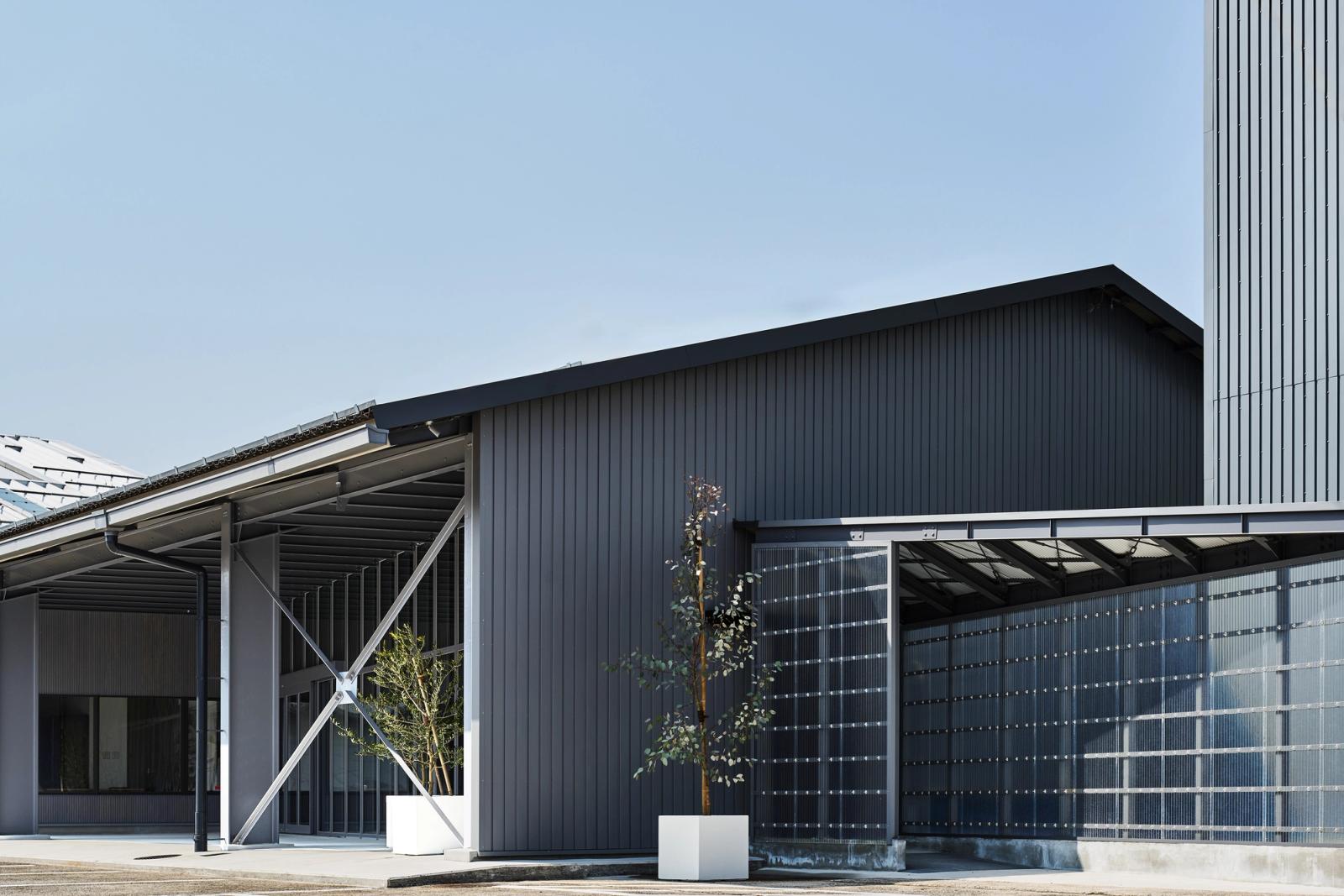
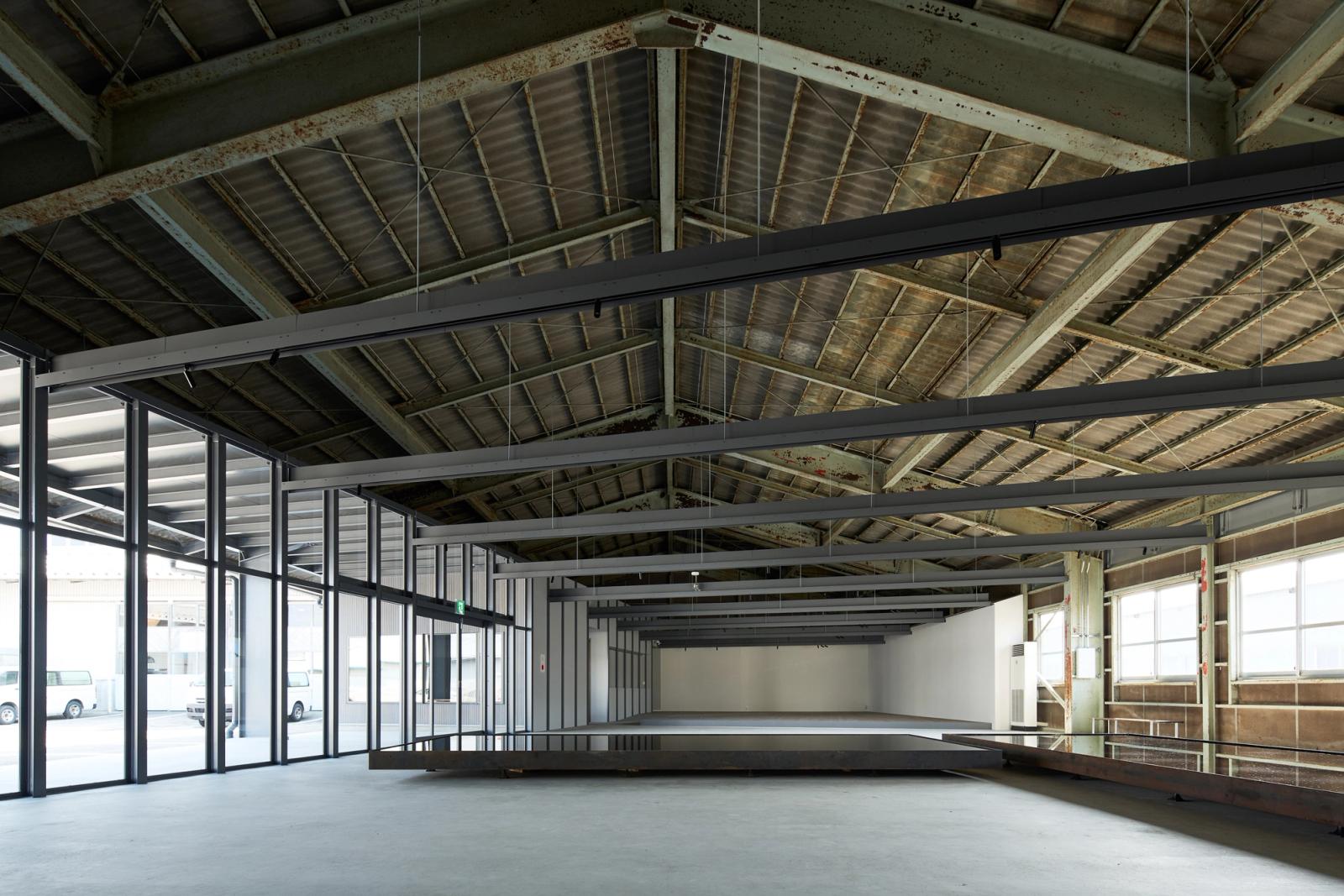
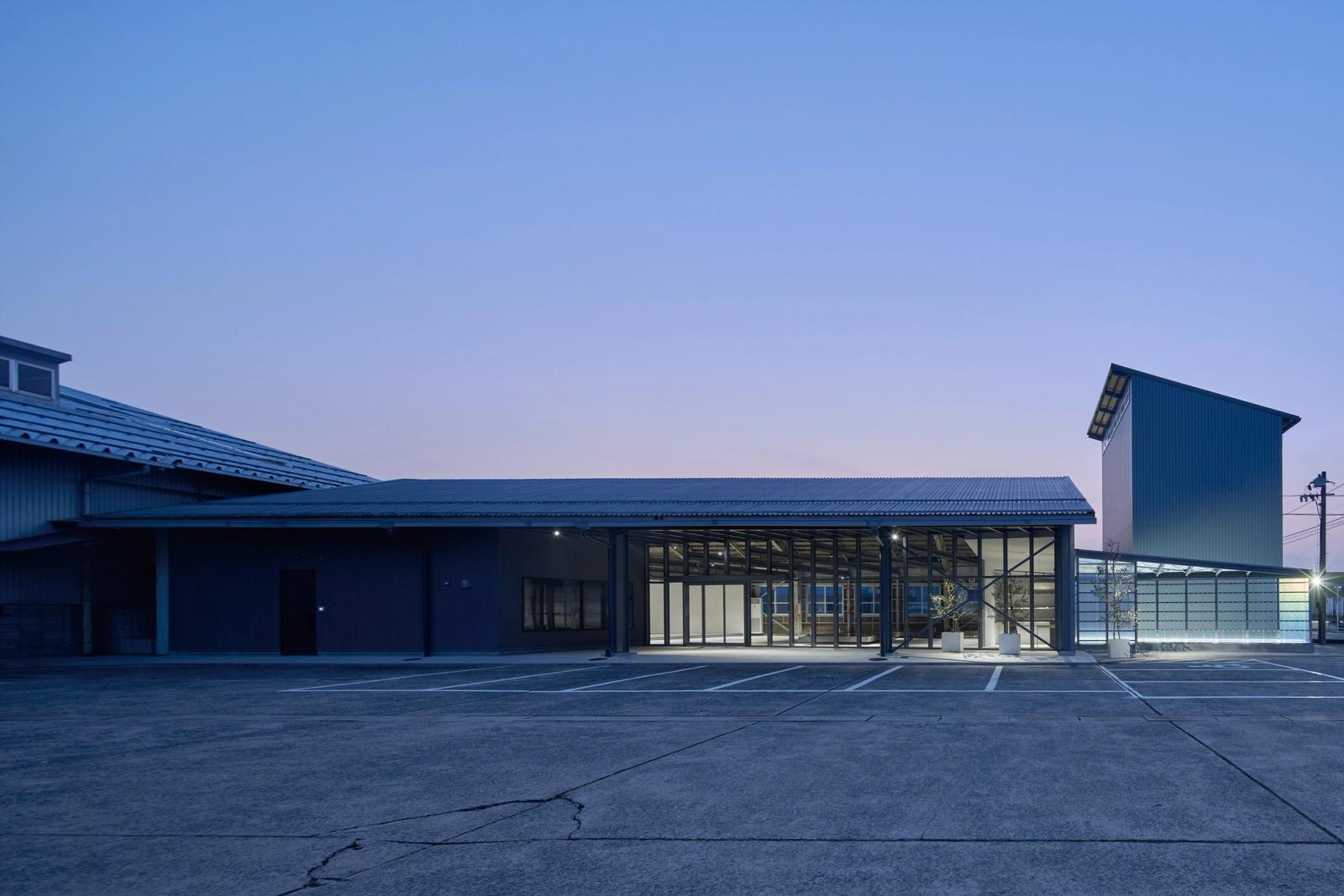
Located within an industrial park just outside central Kurayoshi City, Art Hangar M is an architectural renovation of an existing warehouse and silo. The facility comprises an exhibition space for fine art, a private collection room for the owner, Mr. Okano, and an "Inner Garden" that seamlessly connects the two.
Our design was guided by the cultural layers nurtured in Kurayoshi:
The appreciation of "Yo-no-Bi" (Beauty in Utility), epitomized by the Mingei (folk crafts) movement.
The subdued, print-like landscapes created by the region’s characteristically overcast climate.
The tradition of private artistic activities held within bright, inward-facing courtyards.
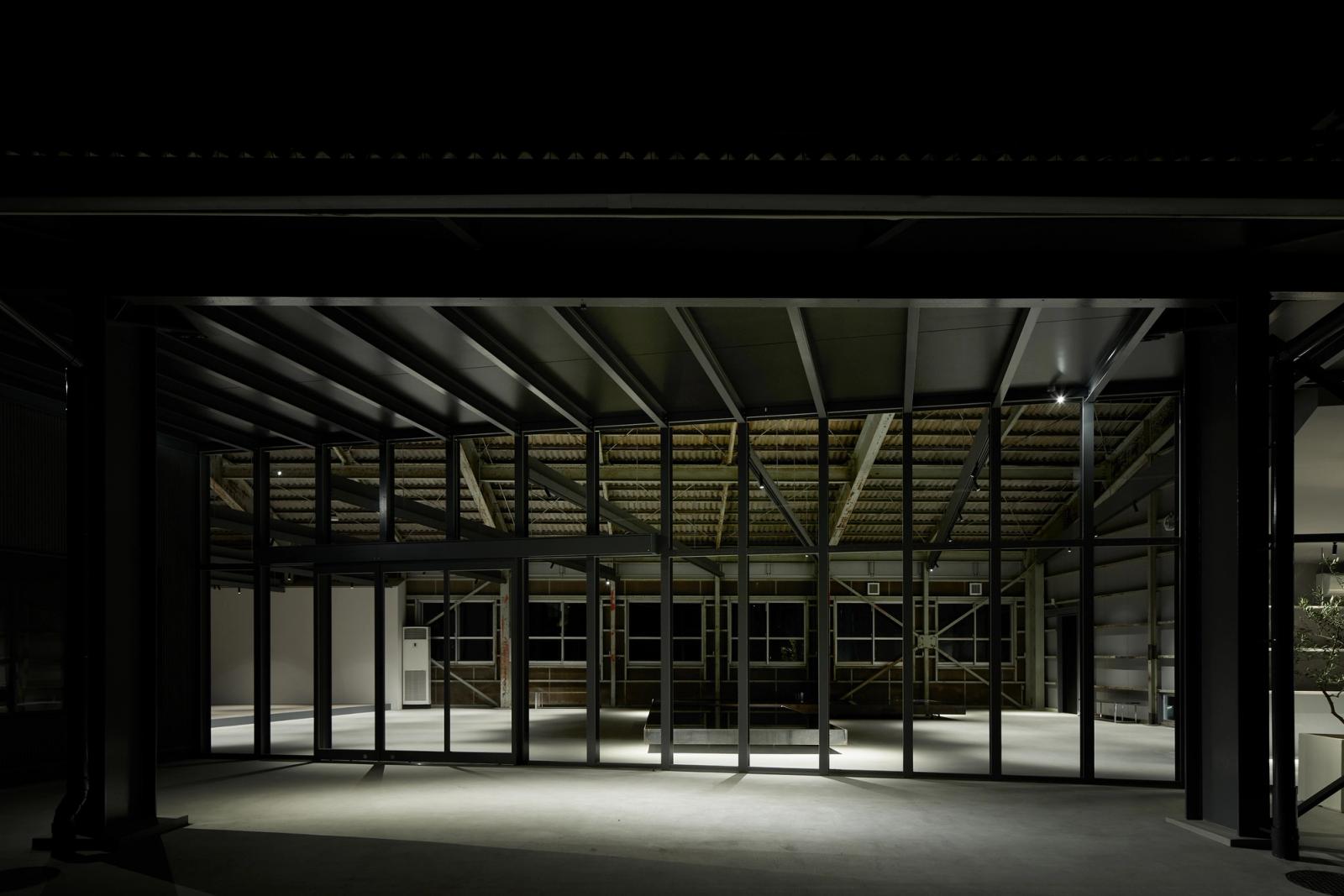
To honor and share these local traditions, we established the concept: "Exposing a Cross-Section of Life." While the primary function of Art Hangar M is to store art, the design focuses on "opening the storehouse" to the public, while preserving the original industrial aesthetic of the warehouse and silo.
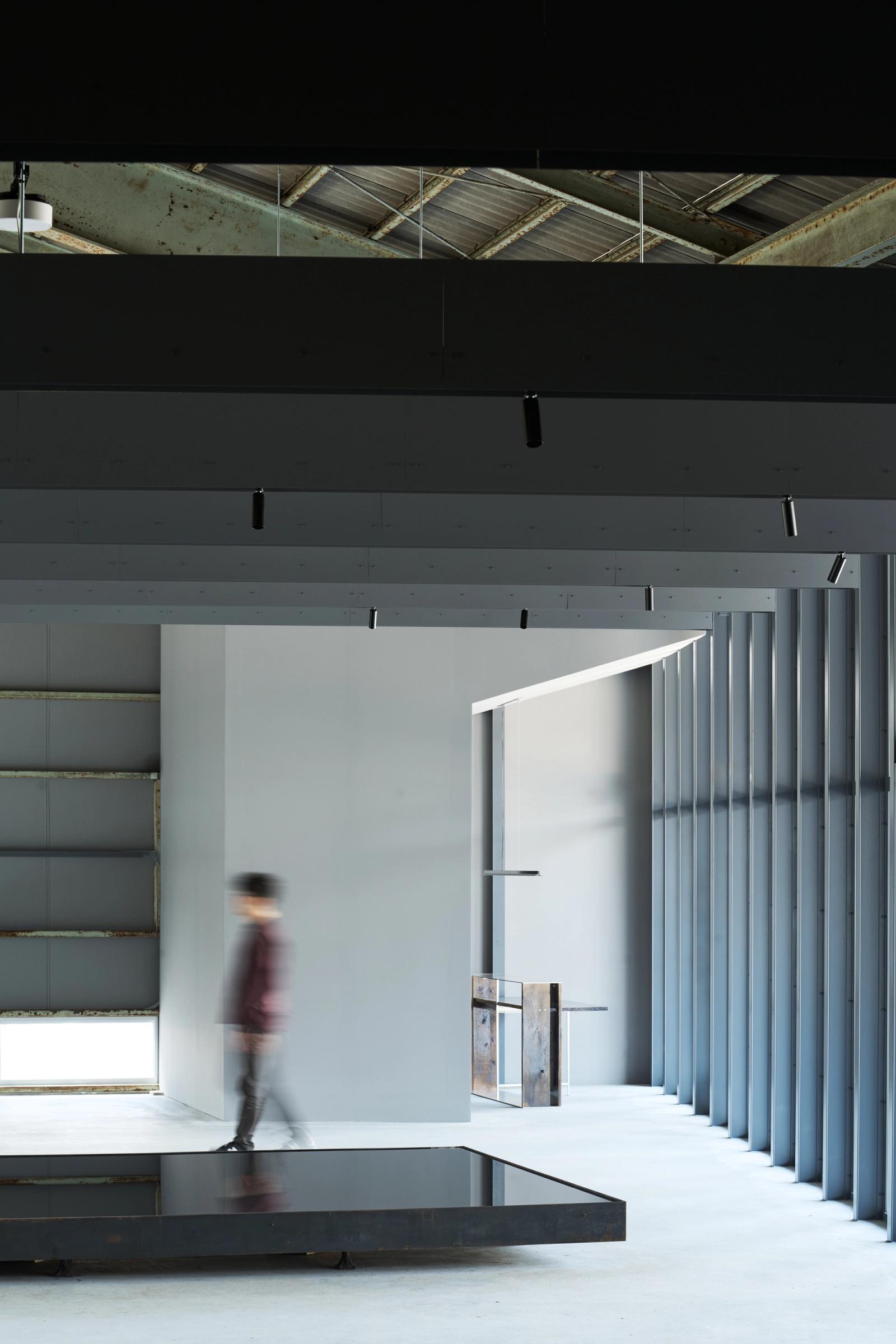
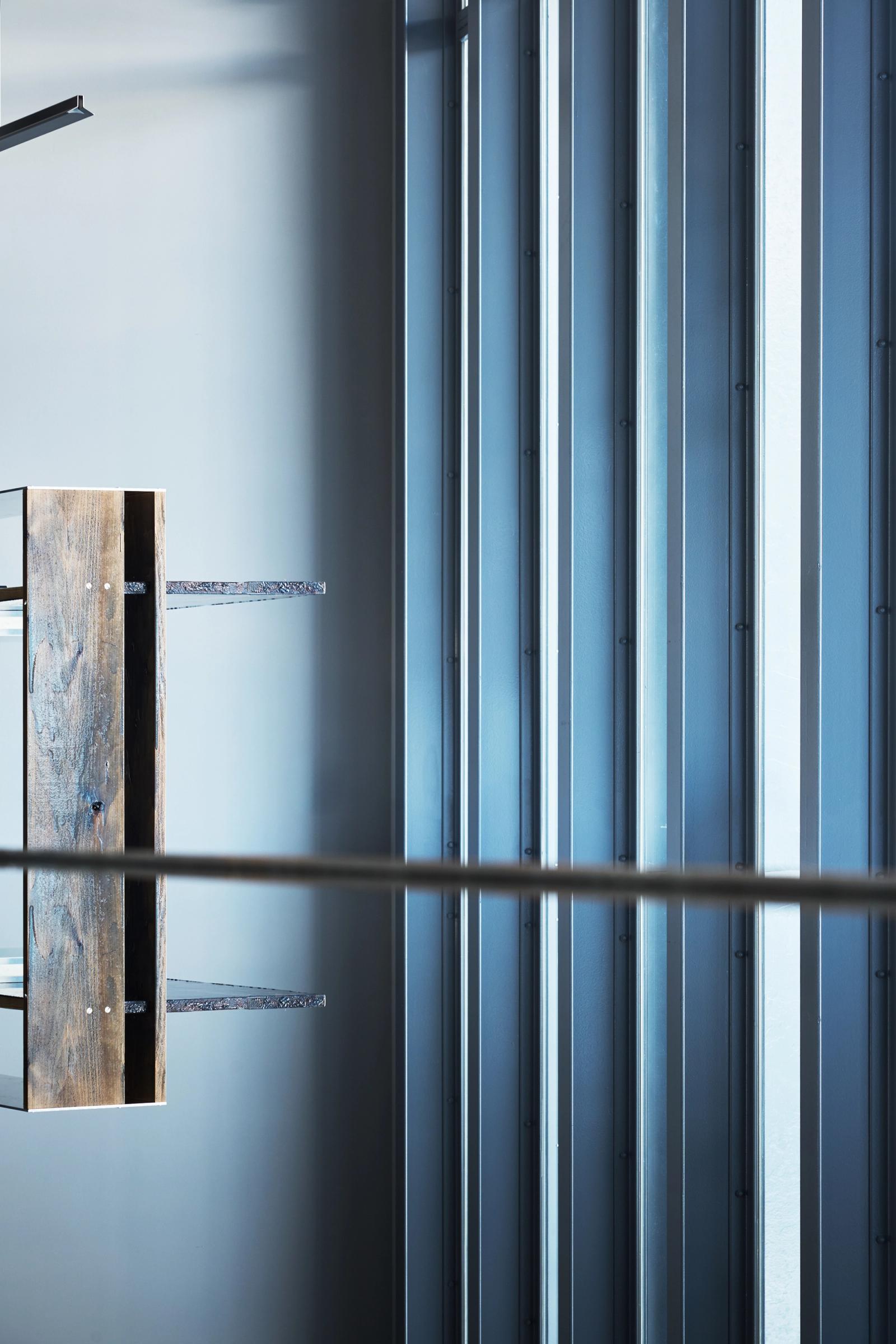
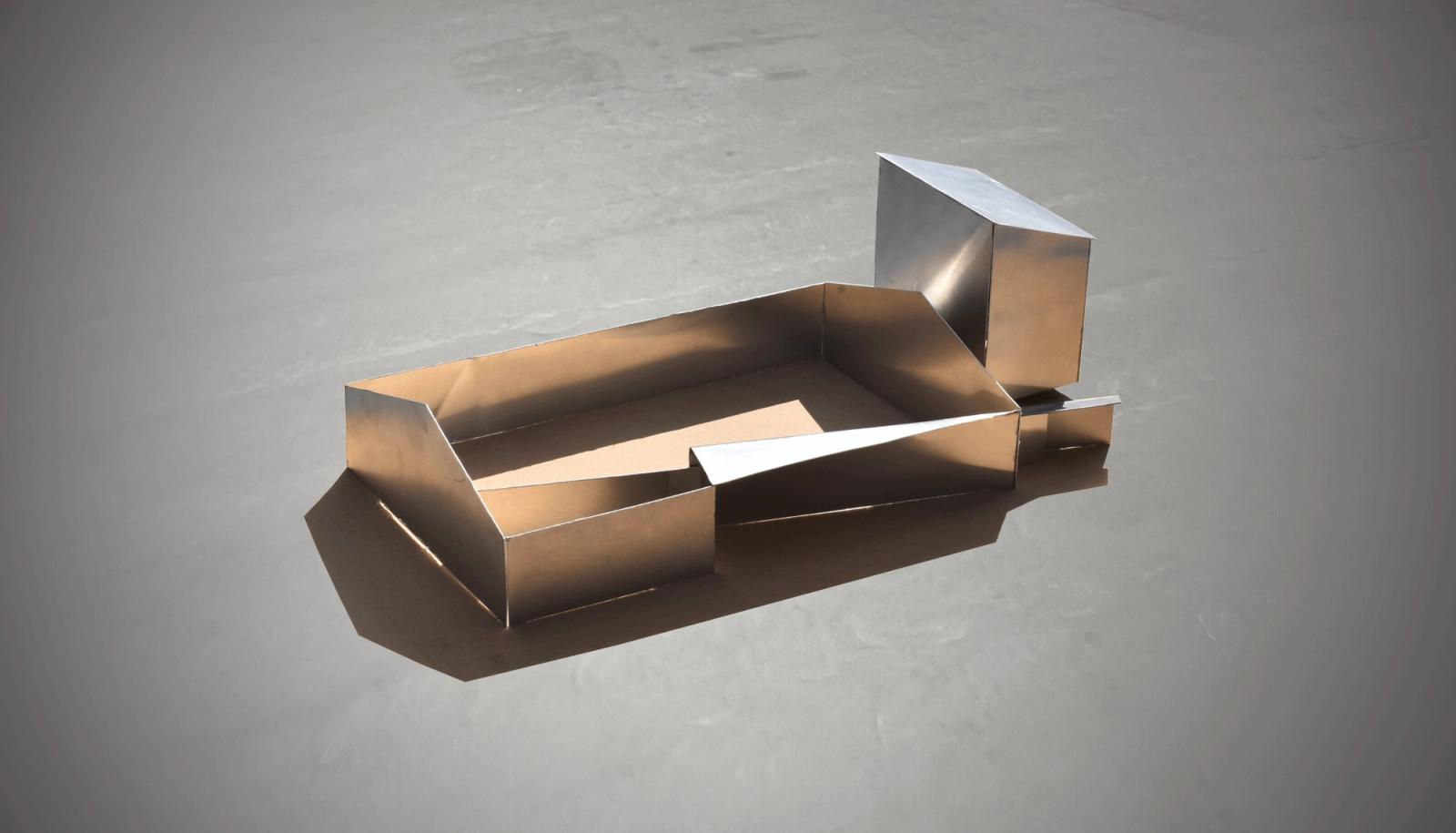
To allow glimpses into the "stored" interior, we inserted a diagonal "Glass Cut-Line" across the floor plan, echoing the flow of the nearby Kokufu River. This line serves as the building’s approach and main circulation path, acting as the boundary that defines various spaces and functions. The vast warehouse volume houses a permanent installation by Noriyuki Haraguchi—a rare sight in Japan—alongside special exhibition areas. The diagonal walls and ceiling lighting create shifting spatial proportions, offering a dynamic viewing experience.
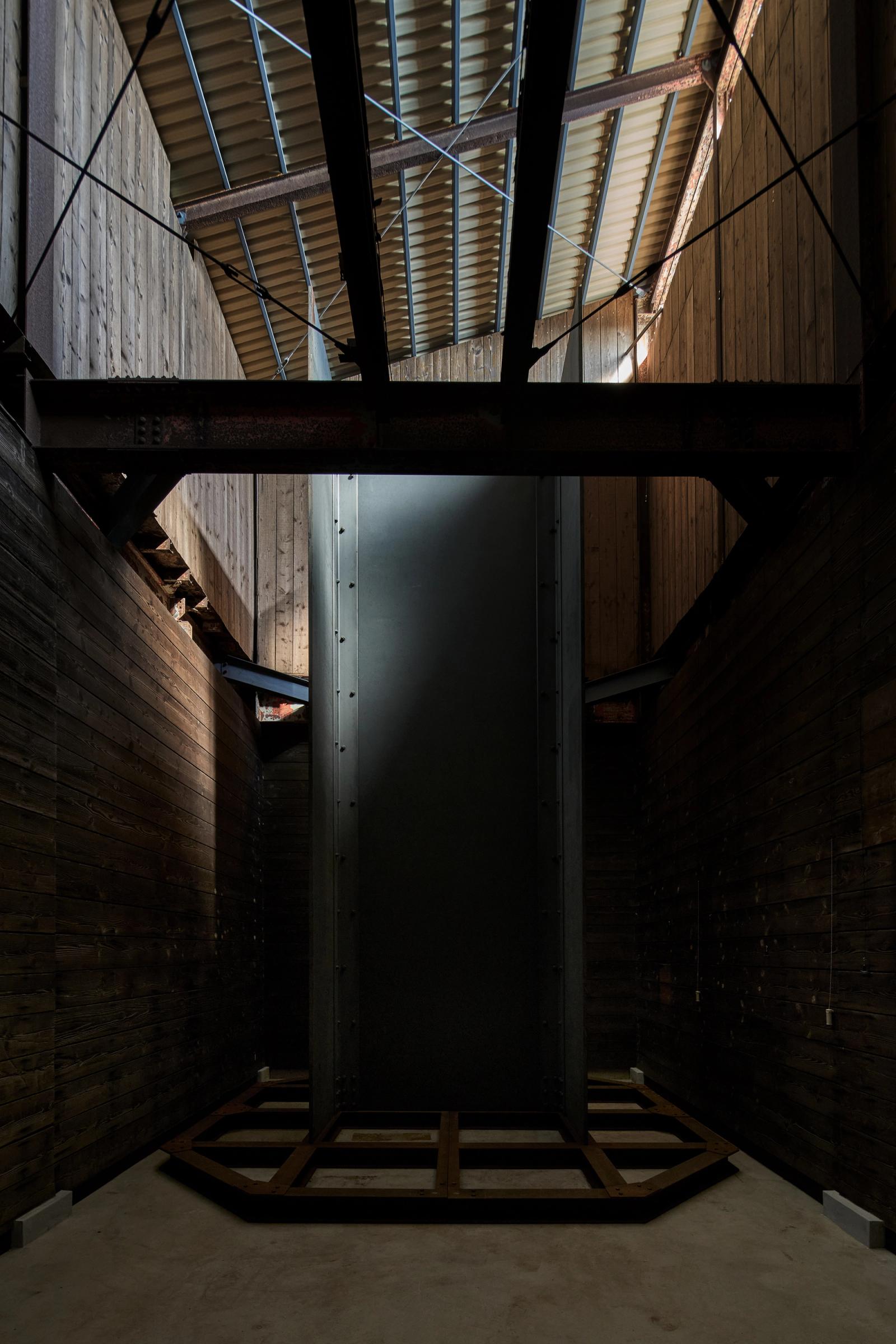
Contrasting the tension of the exhibition areas, the space on the opposite side of the cut-line features a cozy, inviting collection room and an "Inner Garden" tucked under the roof. In Kurayoshi, the tradition of art appreciation and salons centered around courtyards has long served as the soil for cultivating artistic literacy. This Inner Garden is designed to be a hub for communication, natural light, and quiet contemplation. Furthermore, the Glass Cut-Line establishes a horizontal continuity between the interior and the external landscape.
None of the artworks housed in this hangar are permanent. Our goal was to create a lucid, adaptable space—one that gracefully accepts change as the collections within continue to evolve.
ポートフォリオや建築雑誌の掲載に適した構成です。
Art Hangar M: A Cross-Section of Living and Art
Located within an industrial park just outside central Kurayoshi City, Art Hangar M is an architectural renovation of an existing warehouse and silo. The facility comprises an exhibition space for fine art, a private collection room for the owner, Mr. Okano, and an "Inner Garden" that seamlessly connects the two.
Our design was guided by the cultural layers nurtured in Kurayoshi:
The appreciation of "Yo-no-Bi" (Beauty in Utility), epitomized by the Mingei (folk crafts) movement.
The subdued, print-like landscapes created by the region’s characteristically overcast climate.
The tradition of private artistic activities held within bright, inward-facing courtyards.
To honor and share these local traditions, we established the concept: "Exposing a Cross-Section of Life." While the primary function of Art Hangar M is to store art, the design focuses on "opening the storehouse" to the public, while preserving the original industrial aesthetic of the warehouse and silo.
To allow glimpses into the "stored" interior, we inserted a diagonal "Glass Cut-Line" across the floor plan, echoing the flow of the nearby Kokufu River. This line serves as the building’s approach and main circulation path, acting as the boundary that defines various spaces and functions. The vast warehouse volume houses a permanent installation by Noriyuki Haraguchi—a rare sight in Japan—alongside special exhibition areas. The diagonal walls and ceiling lighting create shifting spatial proportions, offering a dynamic viewing experience.
Contrasting the tension of the exhibition areas, the space on the opposite side of the cut-line features a cozy, inviting collection room and an "Inner Garden" tucked under the roof. In Kurayoshi, the tradition of art appreciation and salons centered around courtyards has long served as the soil for cultivating artistic literacy. This Inner Garden is designed to be a hub for communication, natural light, and quiet contemplation. Furthermore, the Glass Cut-Line establishes a horizontal continuity between the interior and the external landscape.
None of the artworks housed in this hangar are permanent. Our goal was to create a lucid, adaptable space—one that gracefully accepts change as the collections within continue to evolve.
- Period
- 2024
- Work for
- 丸十
- Location
- Tottori, Japan
- Category
- Architectural Design / Web Design
- Team
- TATERU.org
- Architecture
- デザインコンサルティング
- TATERU.org + Saya Kubota
- 基本計画
- TATERU.org
- 設計
- アーク設計工房
- 施工
- 向井組
- 照明
- 安東克幸
- 家具
- roboro
- 室内サイン
- roboro
- 施設ロゴ
- 竹原良治
- 写真
- YAMAMOTO KEITA
- Web
- 企画・制作
- 魚住英司(TATERU.org) + ストット怜
- https://www.arthangarm.com