
Heronry
1 / 8
As the name Tori-no-umi (Sea of Birds) suggests, Watari has been a land where humans and diverse avian species have coexisted since ancient times. When the tide recedes, the dark tidal flats emerge, forming a brackish environment where seawater and freshwater mingle—providing a bountiful feeding ground for the birds. Furthermore, as part of the vast Sendai Plain, Watari’s expansive fields and paddies create an ideal habitat for these winged inhabitants.
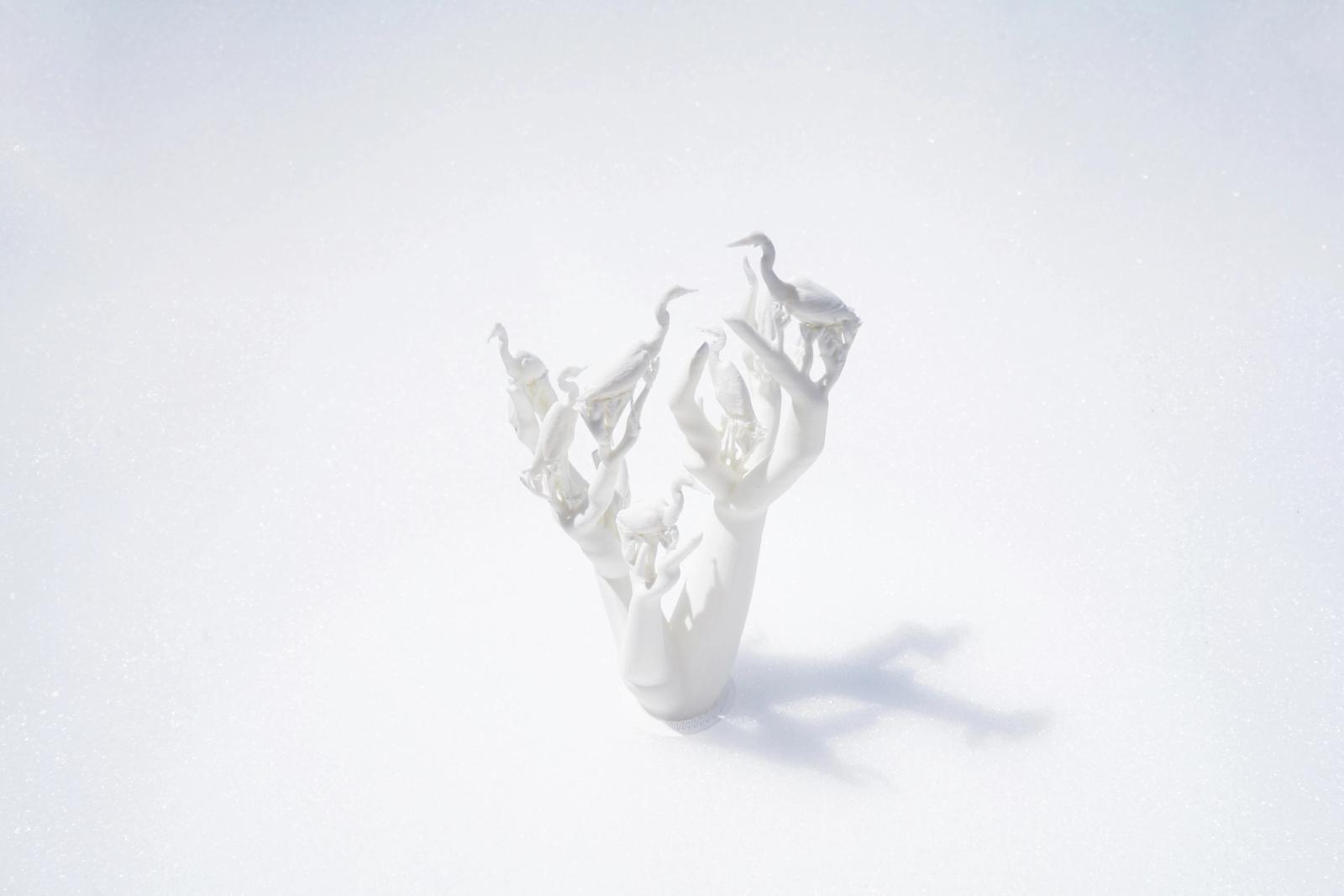
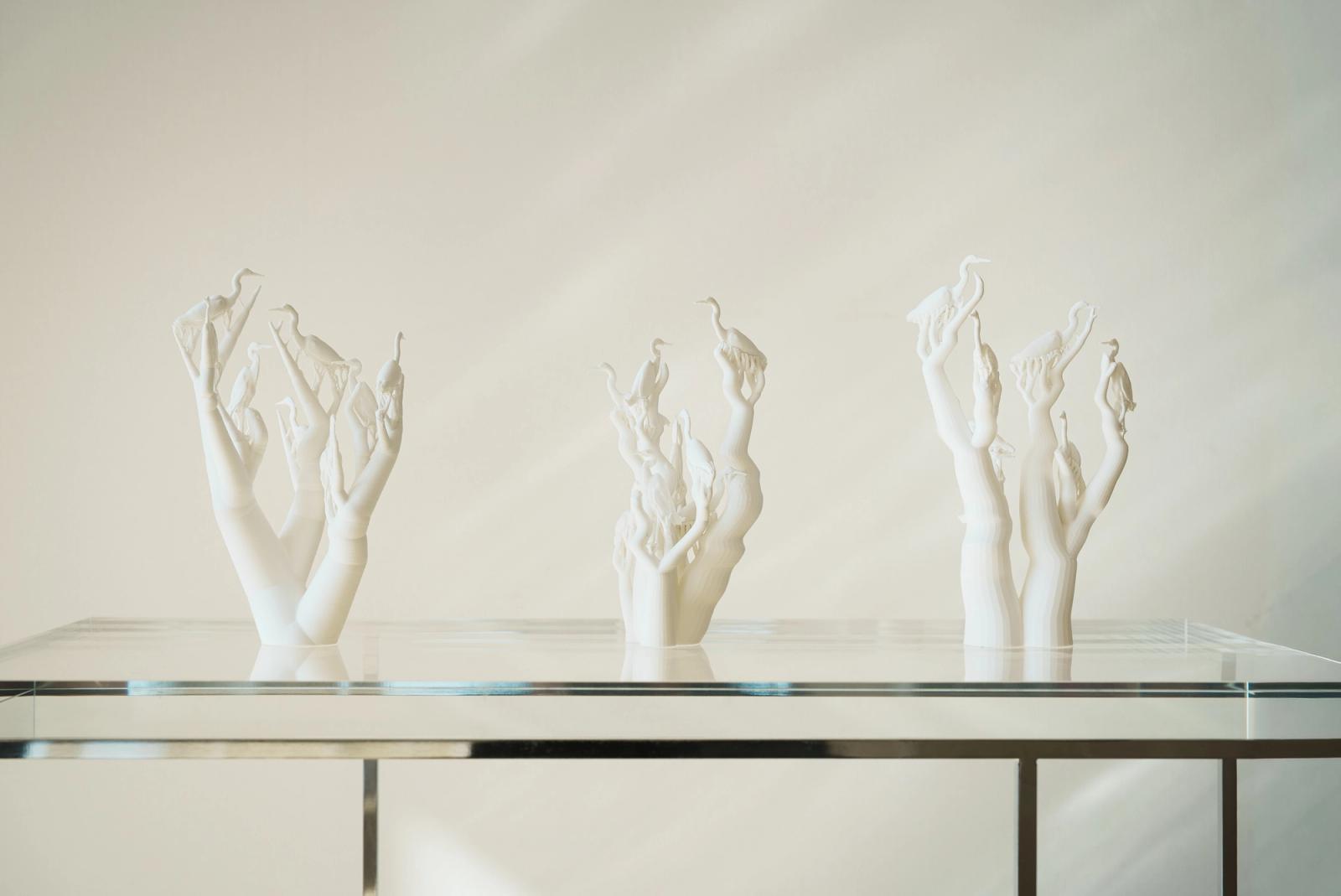
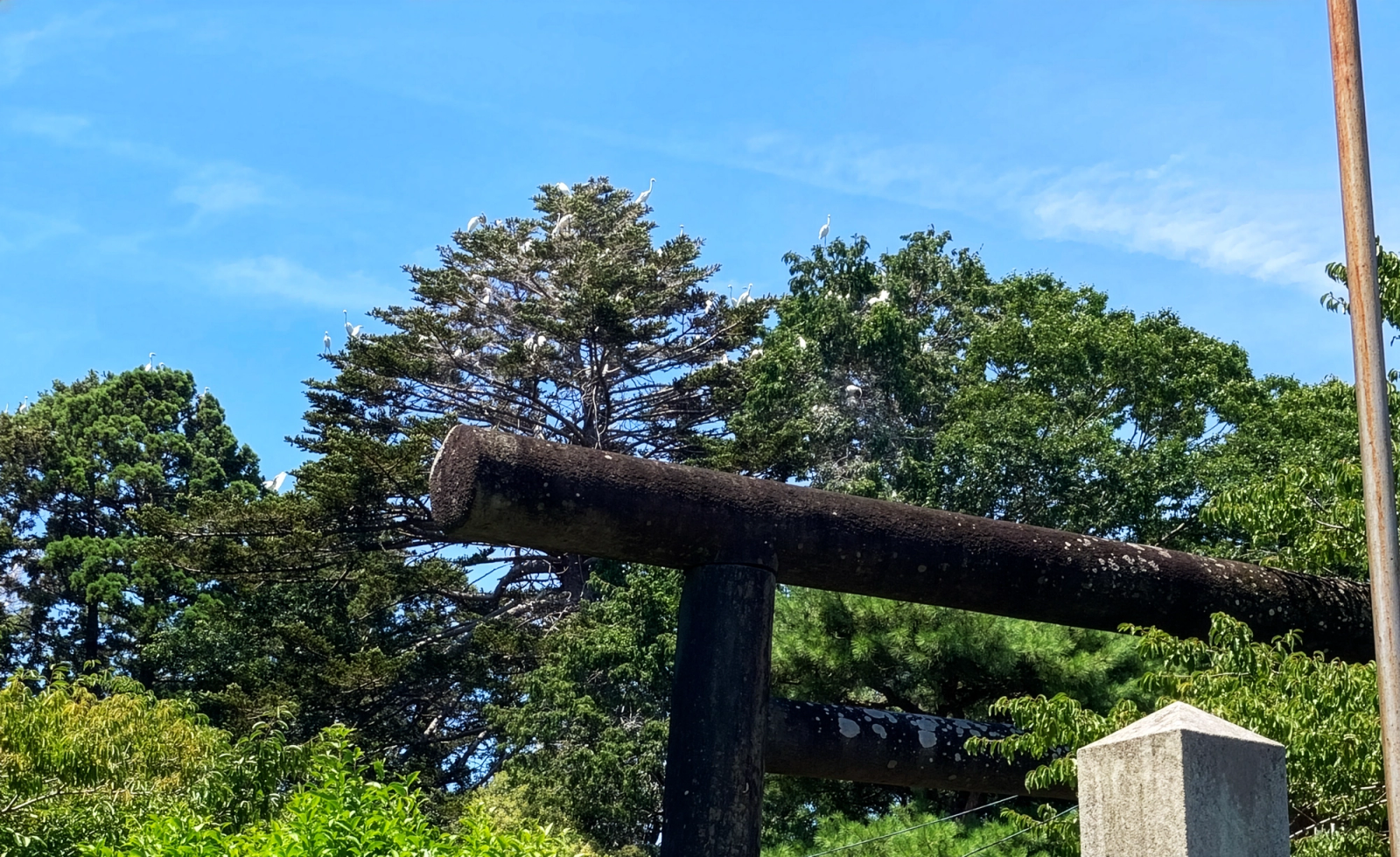
Among the birds of Watari, the presence of egrets and grey herons is particularly striking. These migratory birds appear during the rice-growing season from spring to summer, and in recent years, they have established a "colony" (breeding cluster) within the sacred grove of Watari Shrine. The white silhouettes blanketing the tree branches are somewhat eerie yet undeniably ethereal—a quintessential Watari scene that stirs the soul. However, this has also led to practical challenges such as noise and droppings, sparking an ongoing search for an appropriate distance between humans and birds. The herons adapt their presence to changes in the environment caused by human activities like rice farming and land development. We may be in the midst of exploring the very boundary where both species share a habitat.
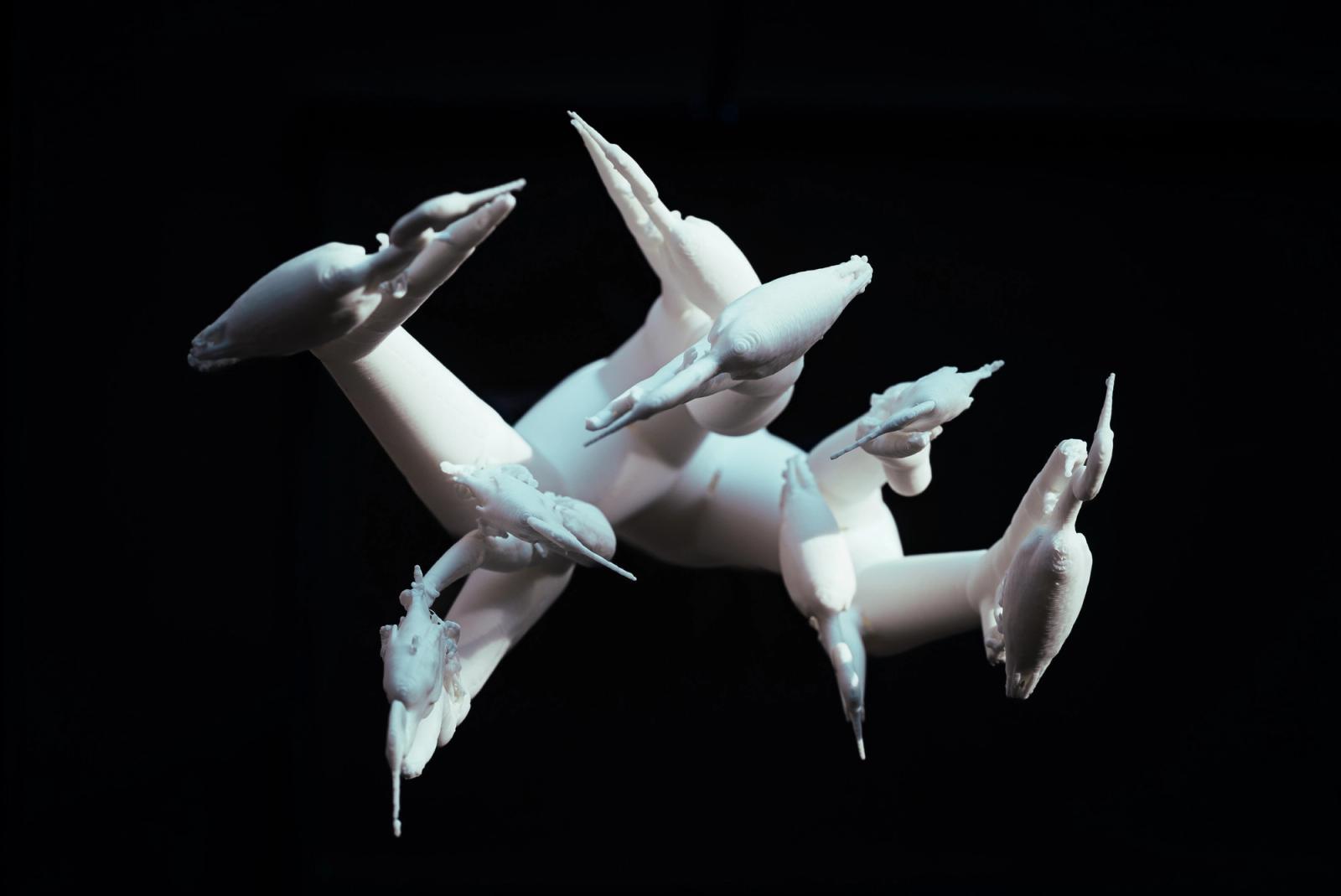
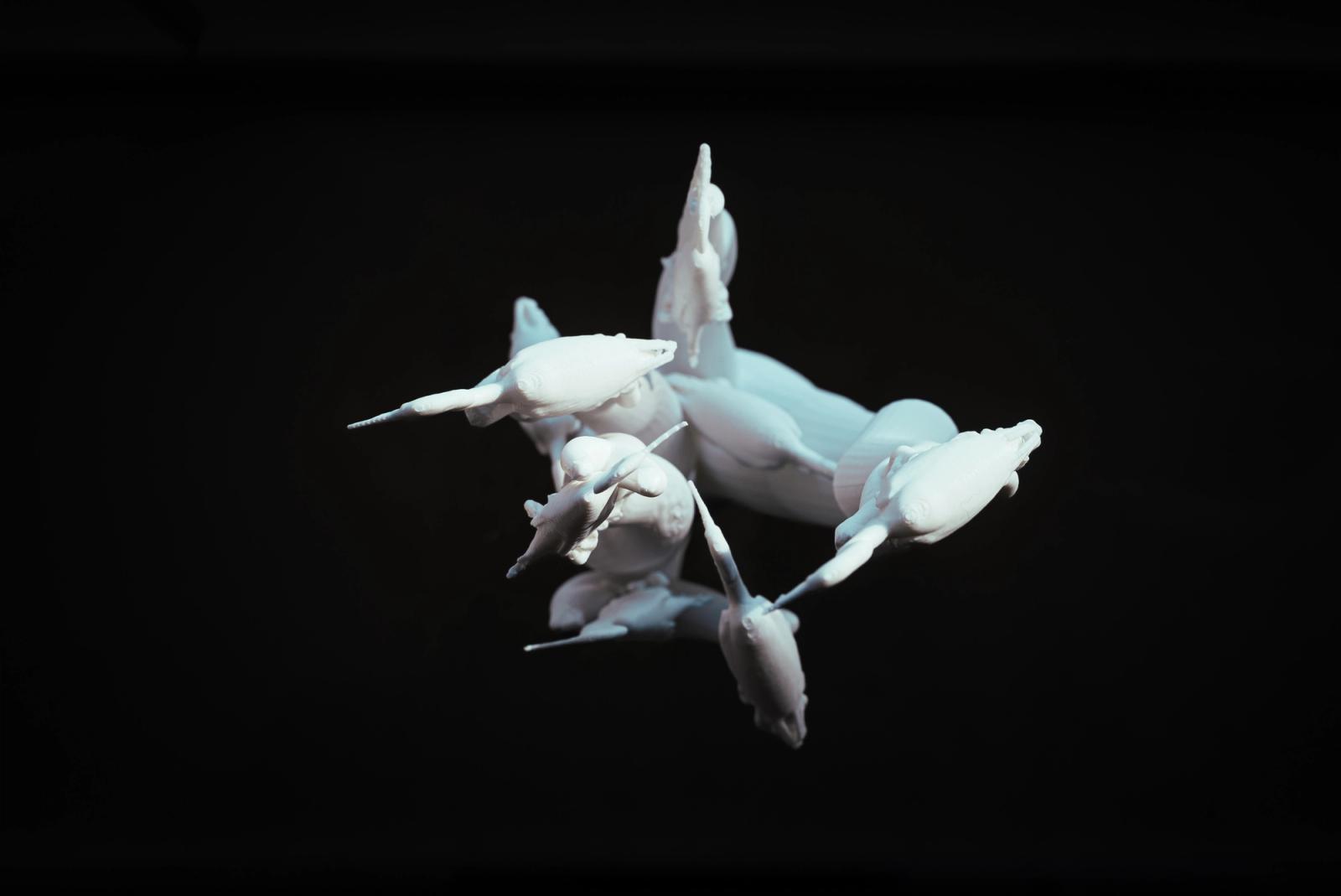
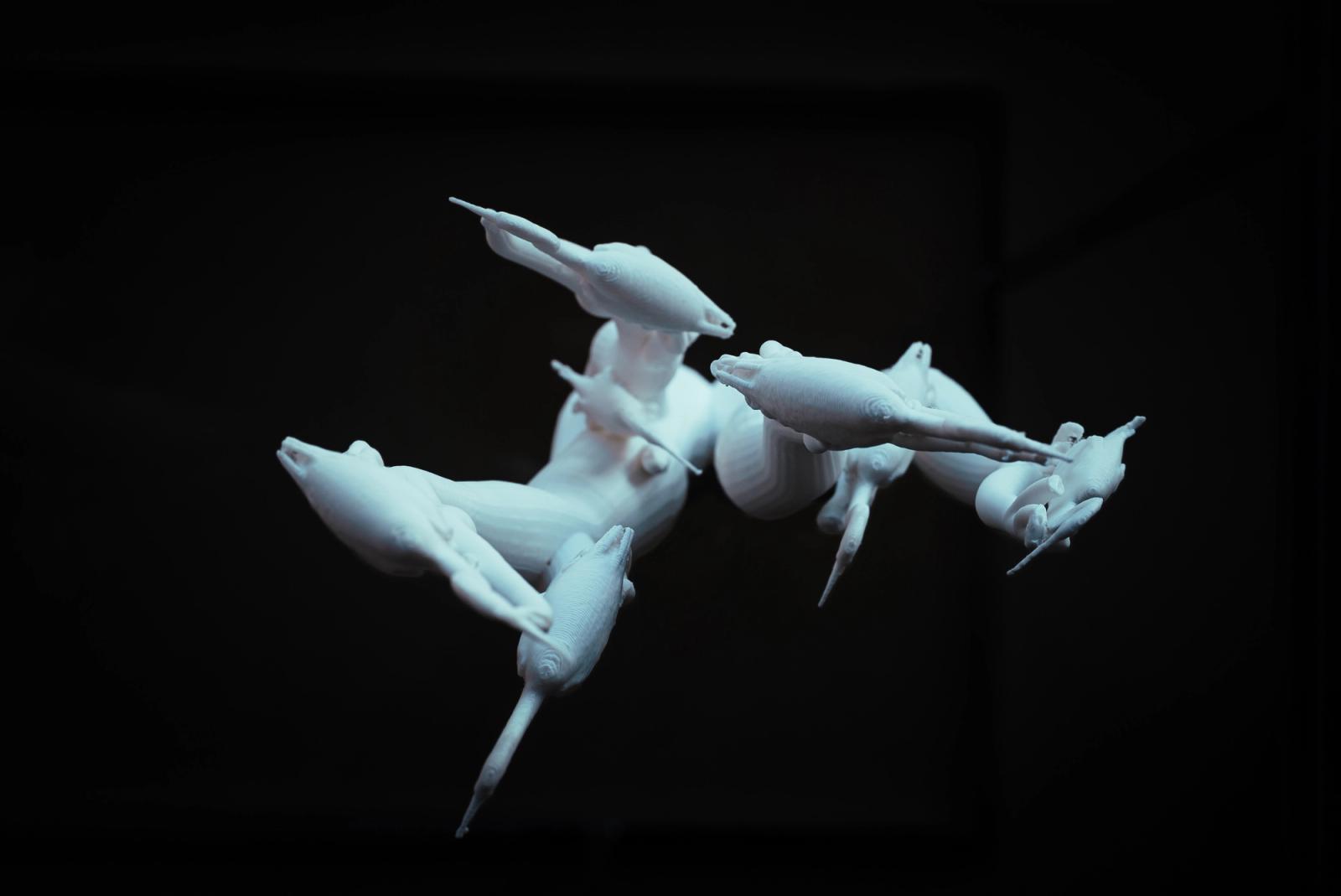
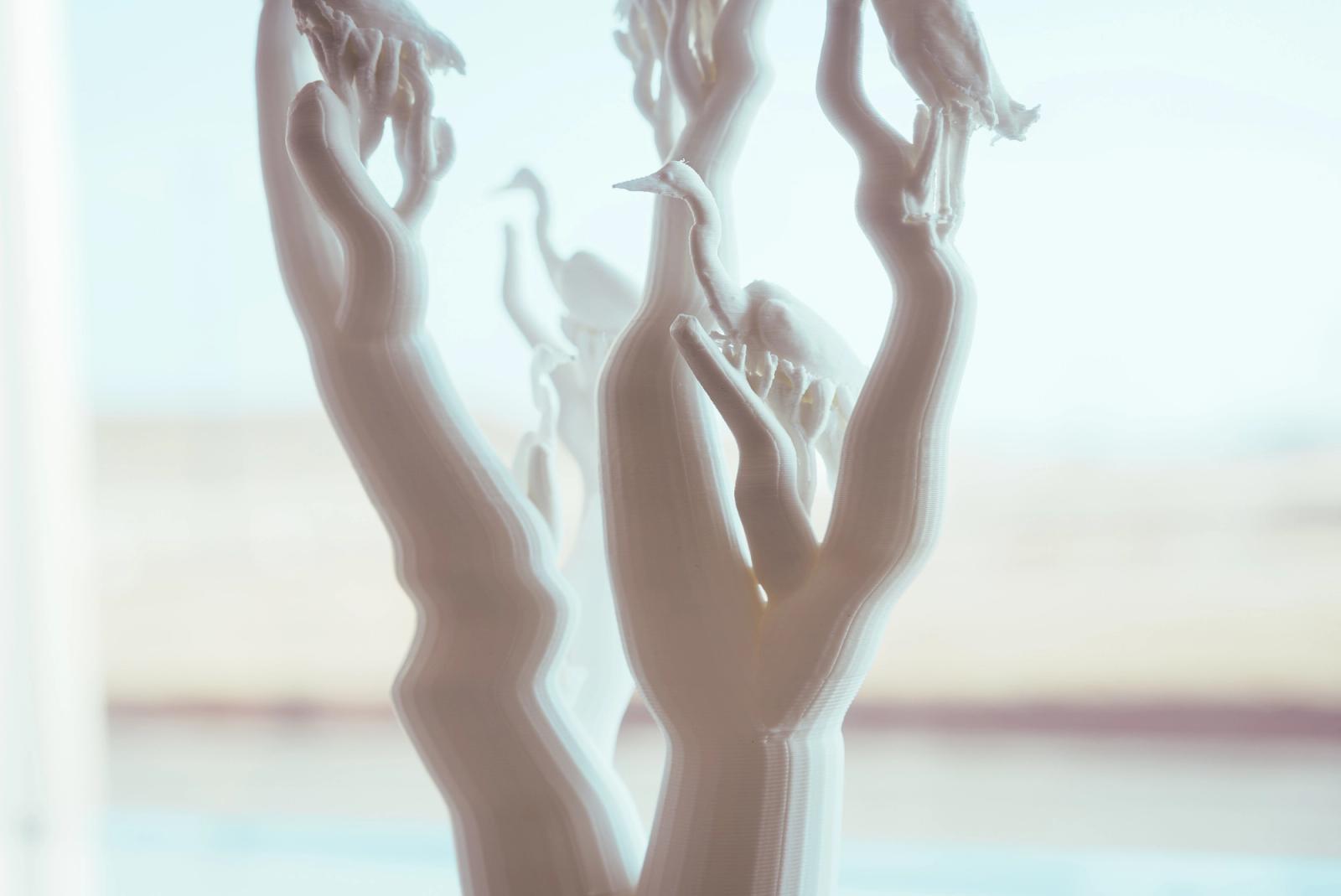
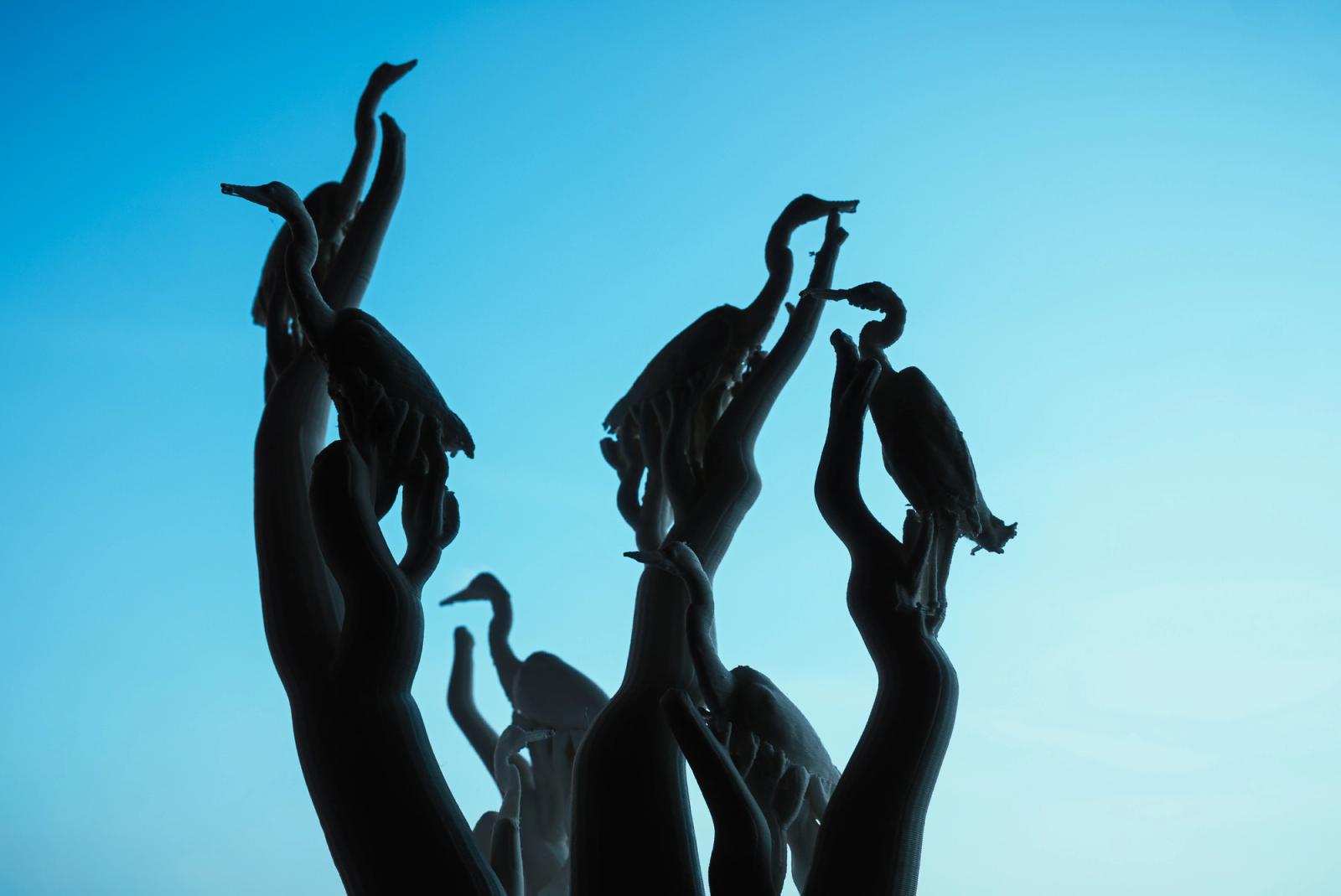
Around this time, as I began making things with a 3D printer, I discovered an intriguing function. Since a 3D printer builds forms by coiling resin layer by layer—much like serving soft-serve ice cream—it cannot easily print shapes that "float" in mid-air. To solve this, the software includes a "Support Generation" feature that automatically creates temporary structures meant to be removed later. To save resin, these supports take on a mechanically efficient, tree-like form. When I saw these instantly generated "tree structures," I imagined a world where trees could automatically form wherever those herons wished to gather, allowing them to build colonies freely. I found myself dreaming of a world where herons might reshape the Earth for their own convenience—just as humans alter the planet for comfort, or as I freely enjoy shaping forms with a 3D printer.
Among the birds of Watari, the presence of egrets and grey herons is particularly striking. These migratory birds appear during the rice-growing season from spring to summer, and in recent years, they have established a "colony" (breeding cluster) within the sacred grove of Watari Shrine. The white silhouettes blanketing the tree branches are somewhat eerie yet undeniably ethereal—a quintessential Watari scene that stirs the soul. However, this has also led to practical challenges such as noise and droppings, sparking an ongoing search for an appropriate distance between humans and birds. The herons adapt their presence to changes in the environment caused by human activities like rice farming and land development. We may be in the midst of exploring the very boundary where both species share a habitat.
Around this time, as I began making things with a 3D printer, I discovered an intriguing function. Since a 3D printer builds forms by coiling resin layer by layer—much like serving soft-serve ice cream—it cannot easily print shapes that "float" in mid-air. To solve this, the software includes a "Support Generation" feature that automatically creates temporary structures meant to be removed later. To save resin, these supports take on a mechanically efficient, tree-like form. When I saw these instantly generated "tree structures," I imagined a world where trees could automatically form wherever those herons wished to gather, allowing them to build colonies freely. I found myself dreaming of a world where herons might reshape the Earth for their own convenience—just as humans alter the planet for comfort, or as I freely enjoy shaping forms with a 3D printer.
- Period
- 2026
- Work for
- 宮城県亘理町地域おこし協力隊「On divides 生成し続けるあわい」展示作品
- Location
- Miyagi, Japan
- Category
- Art Project
- Team
- Eiji Uozumi
- Material
- PLA
- Works Photo
- Tomohiro Nakaya