
Unweaving
令和6年度宮城県亘理町地域おこし協力隊 活動集大成特別展示
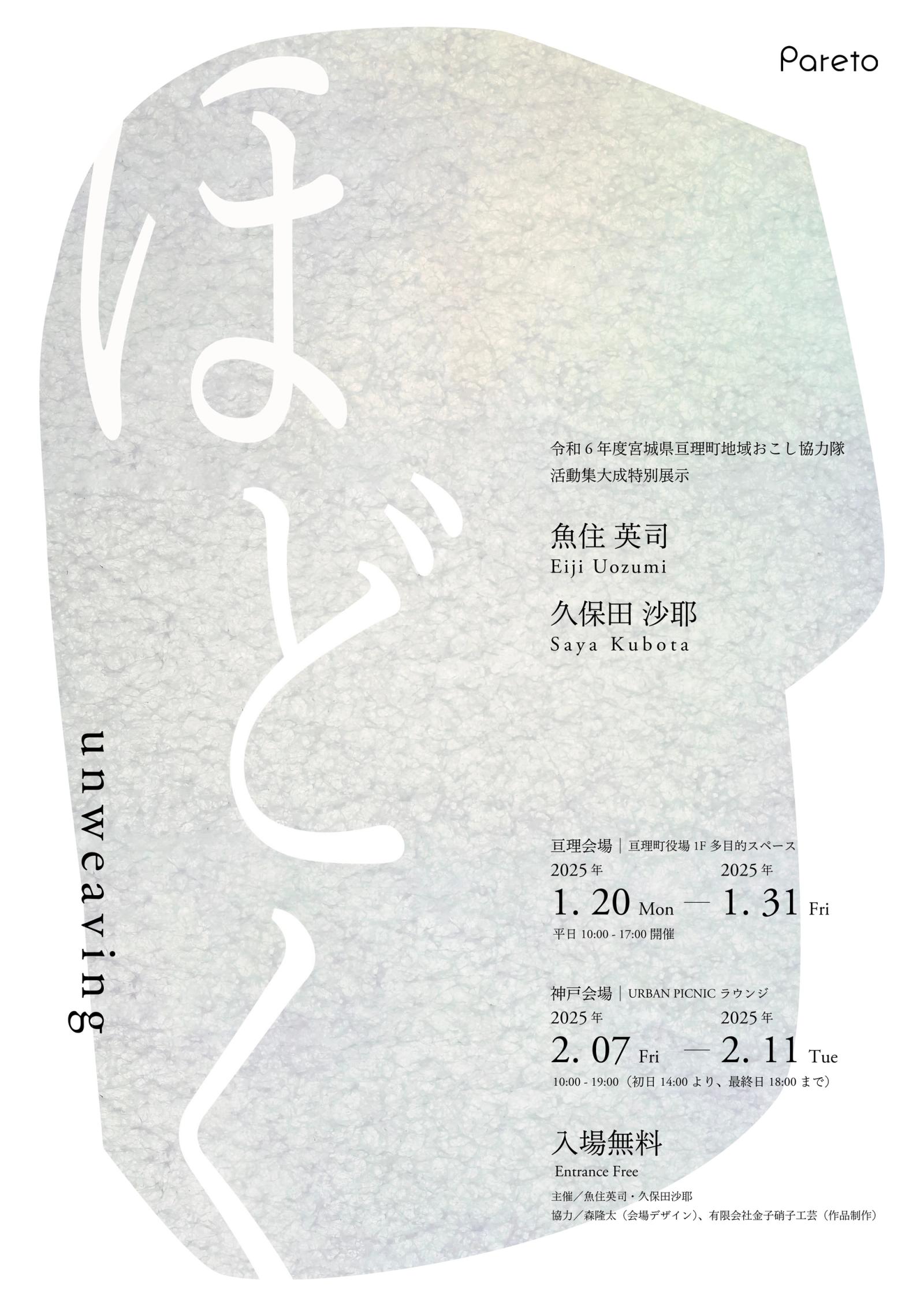
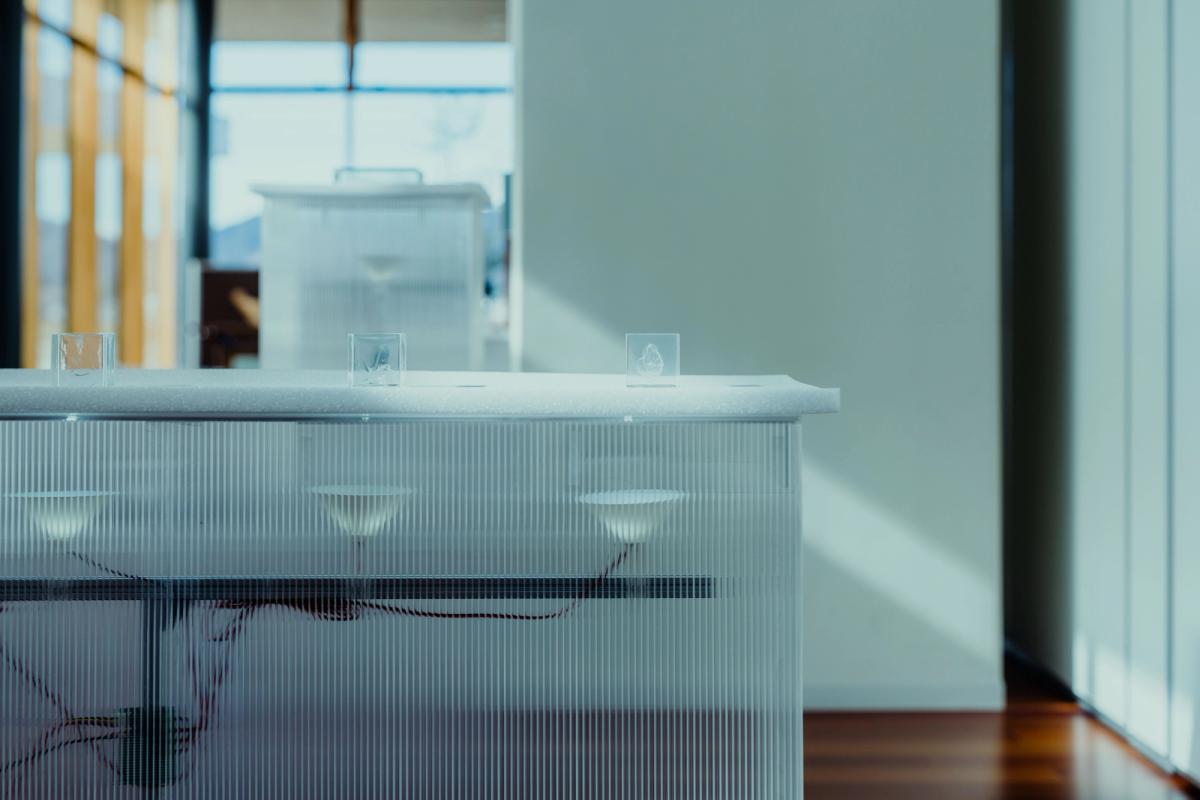
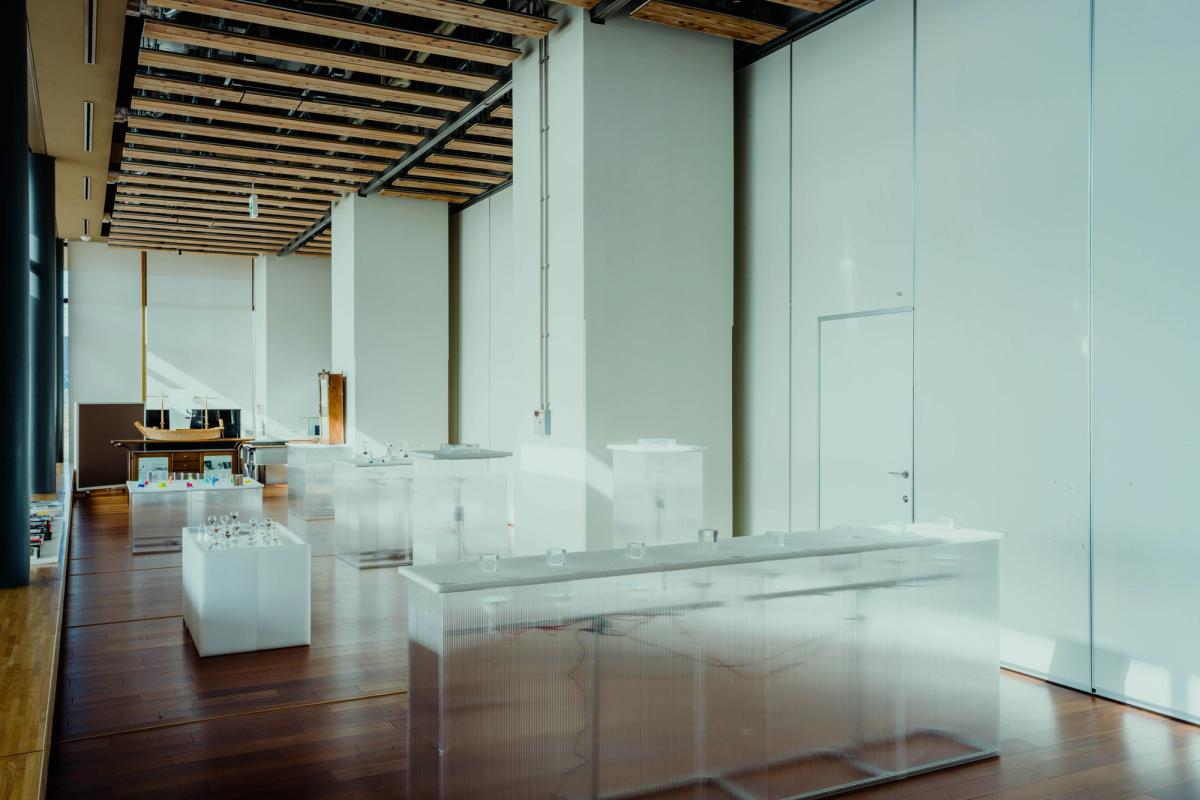
This exhibition, unweaving, features the collaborative work of Saya Kubota and Eiji Uozumi. Since 2021, both artists have resided in Watari, Miyagi Prefecture, serving as members of the Local Revitalization Co-op and observing the region through the lens of art. (Uozumi’s tenure began in 2023.)
Their base, Watari, is an area deeply affected by the Great East Japan Earthquake. To deepen their understanding of disaster and heritage, the duo conducted iterative research and production by traveling between Watari and Kobe, Hyogo Prefecture—the city where Uozumi himself experienced the Great Hanshin-Awaji Earthquake as a child. This exploration of two lands, each with distinct origins and varying timelines of recovery, led them to confront the very concepts of "region" and "community revitalization."
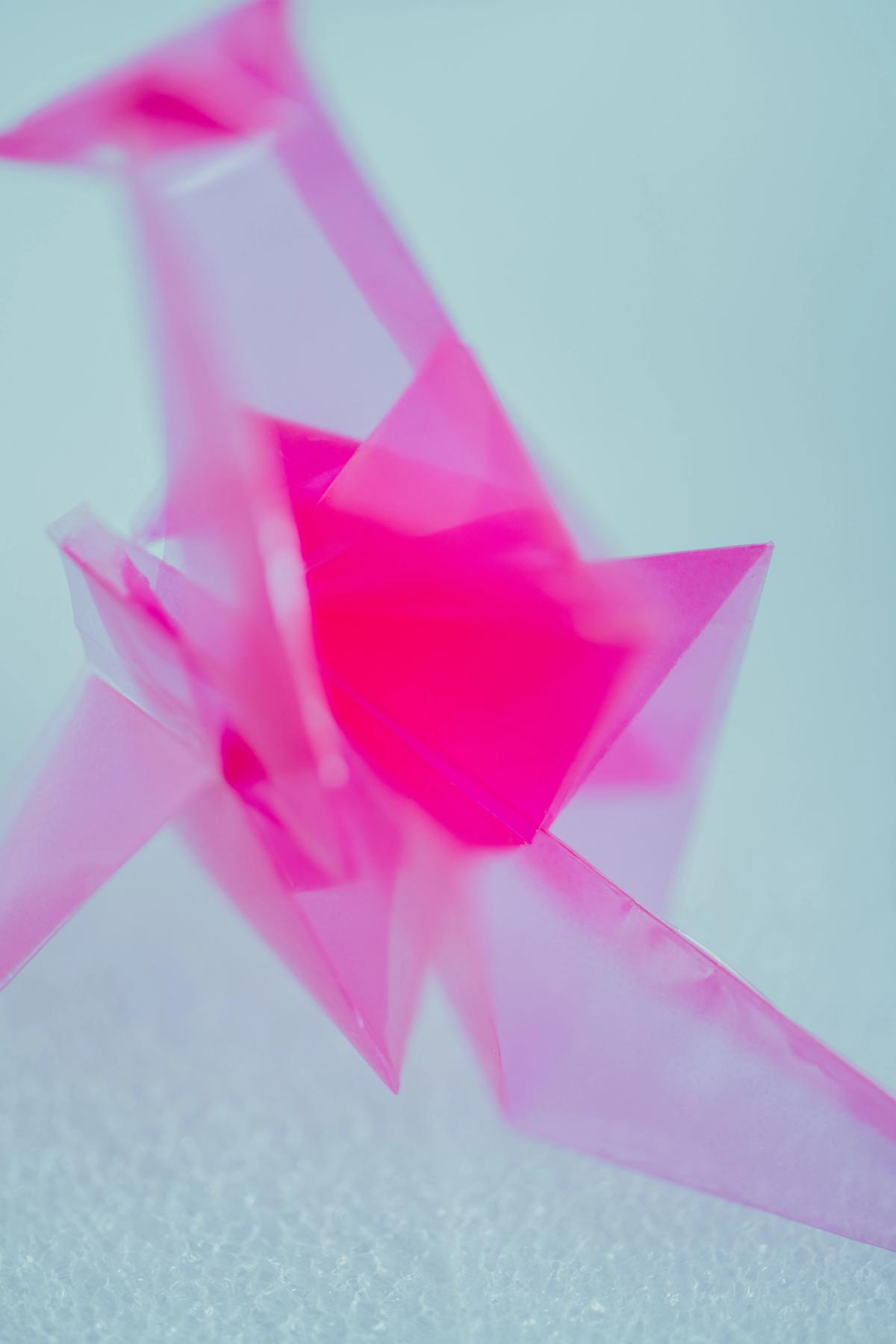
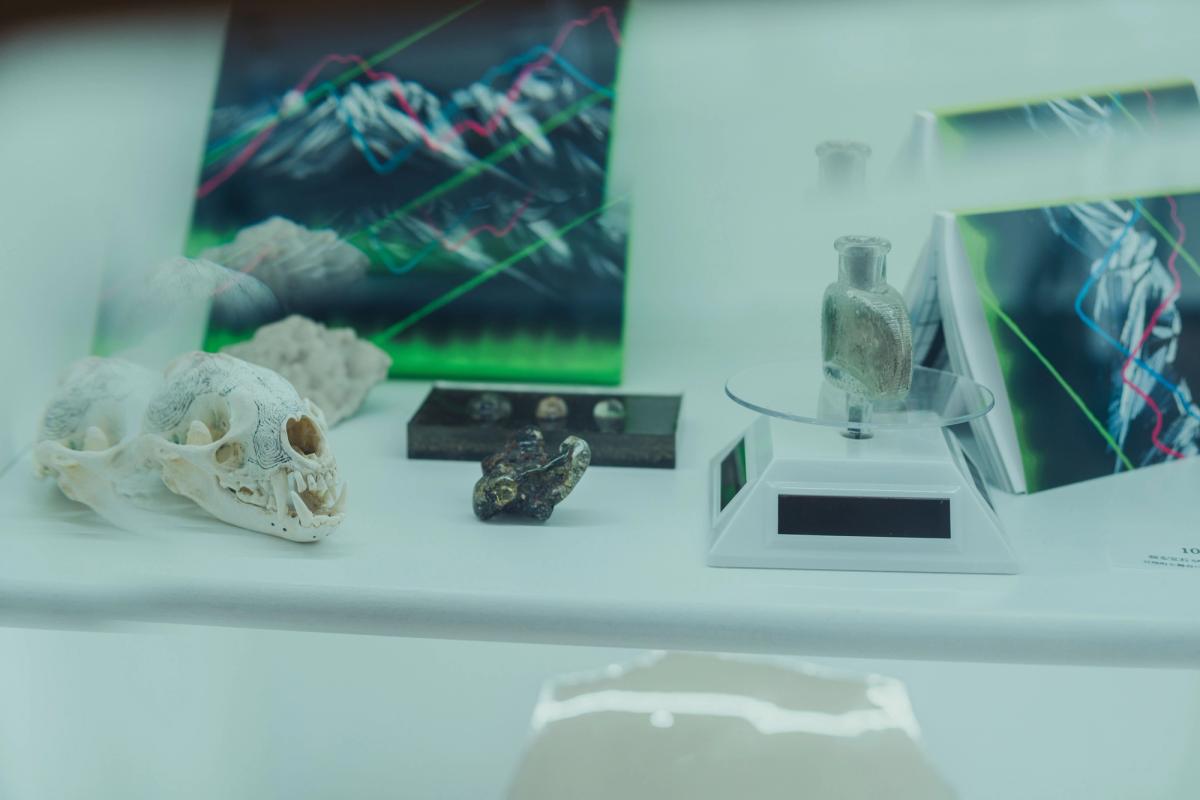
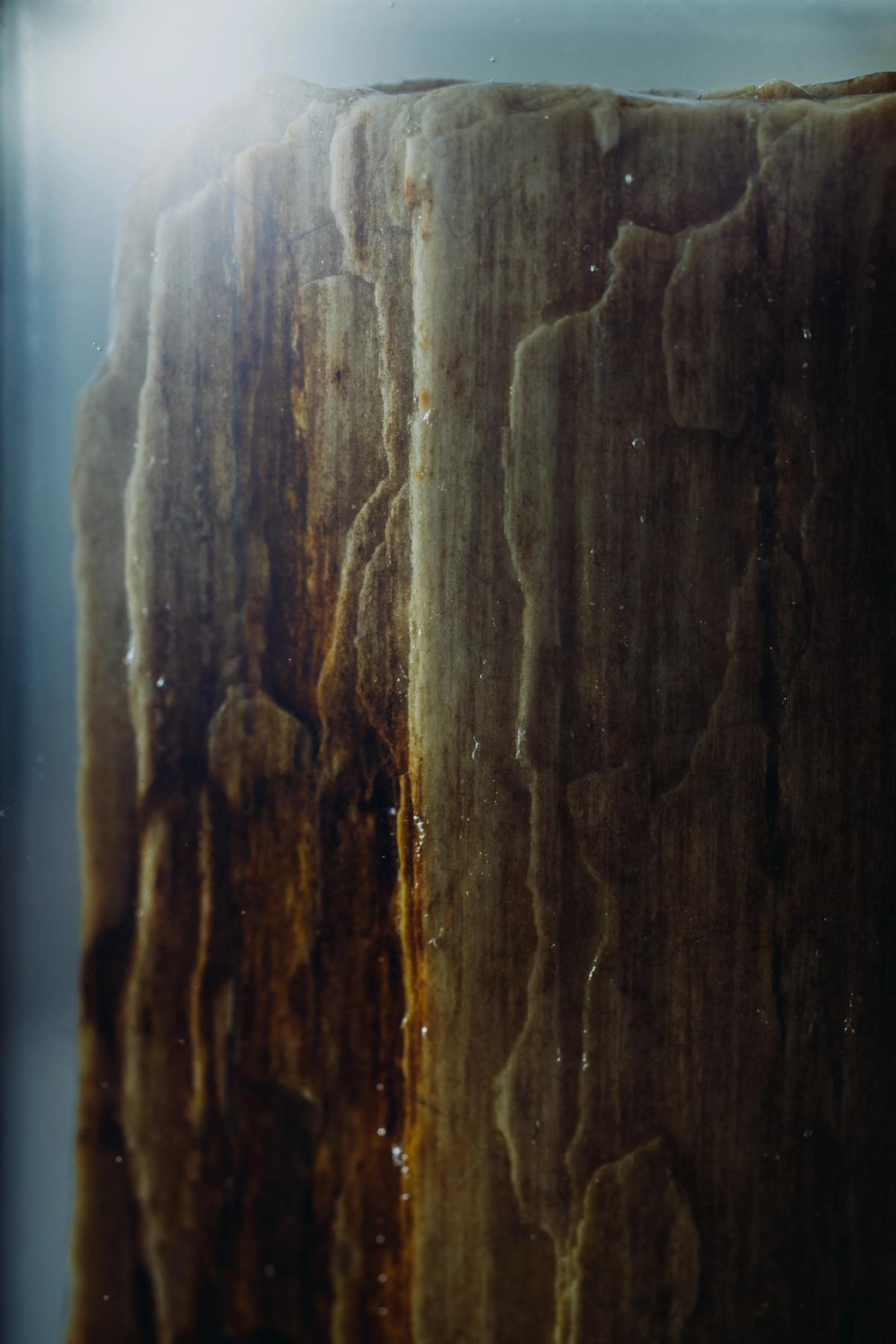
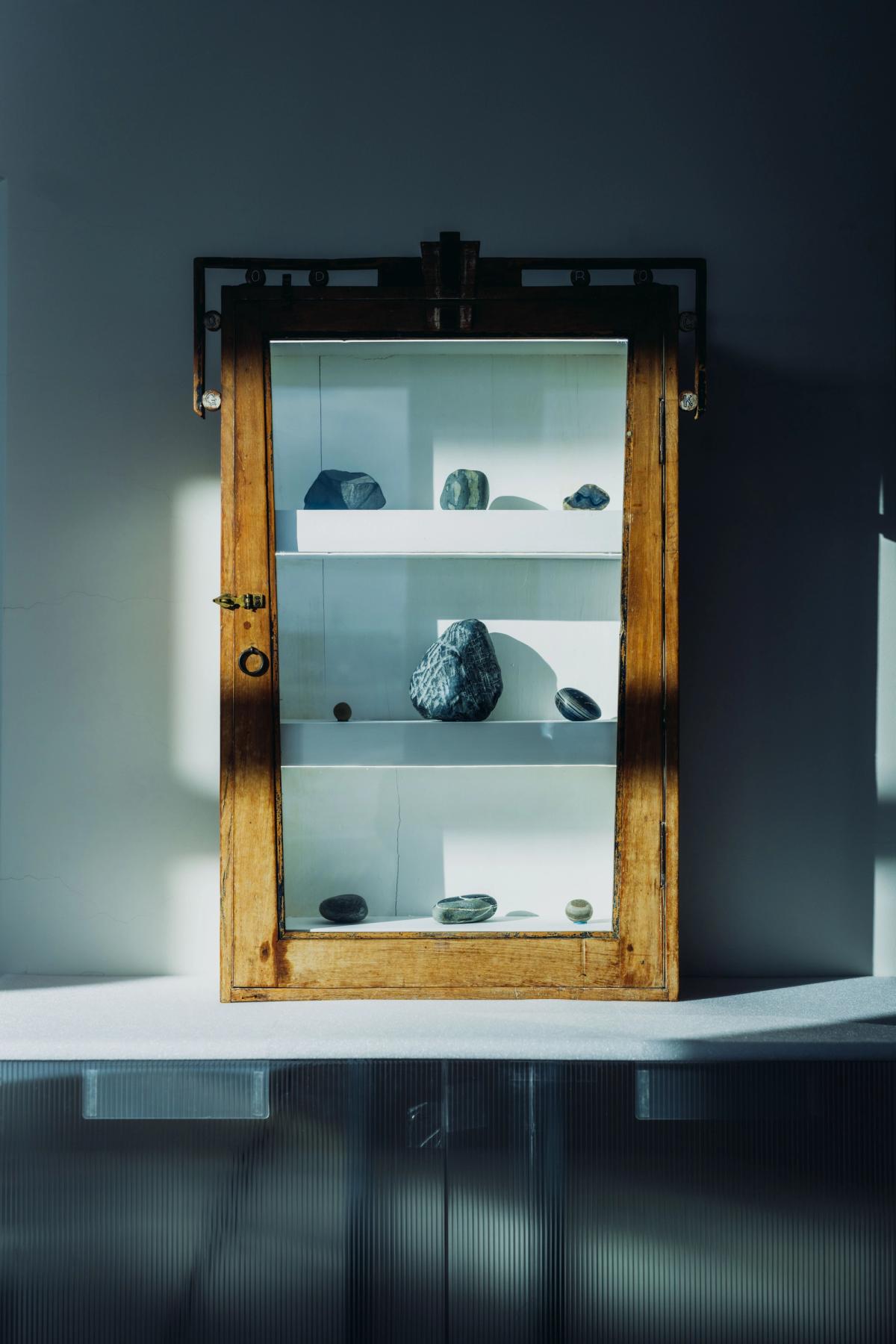
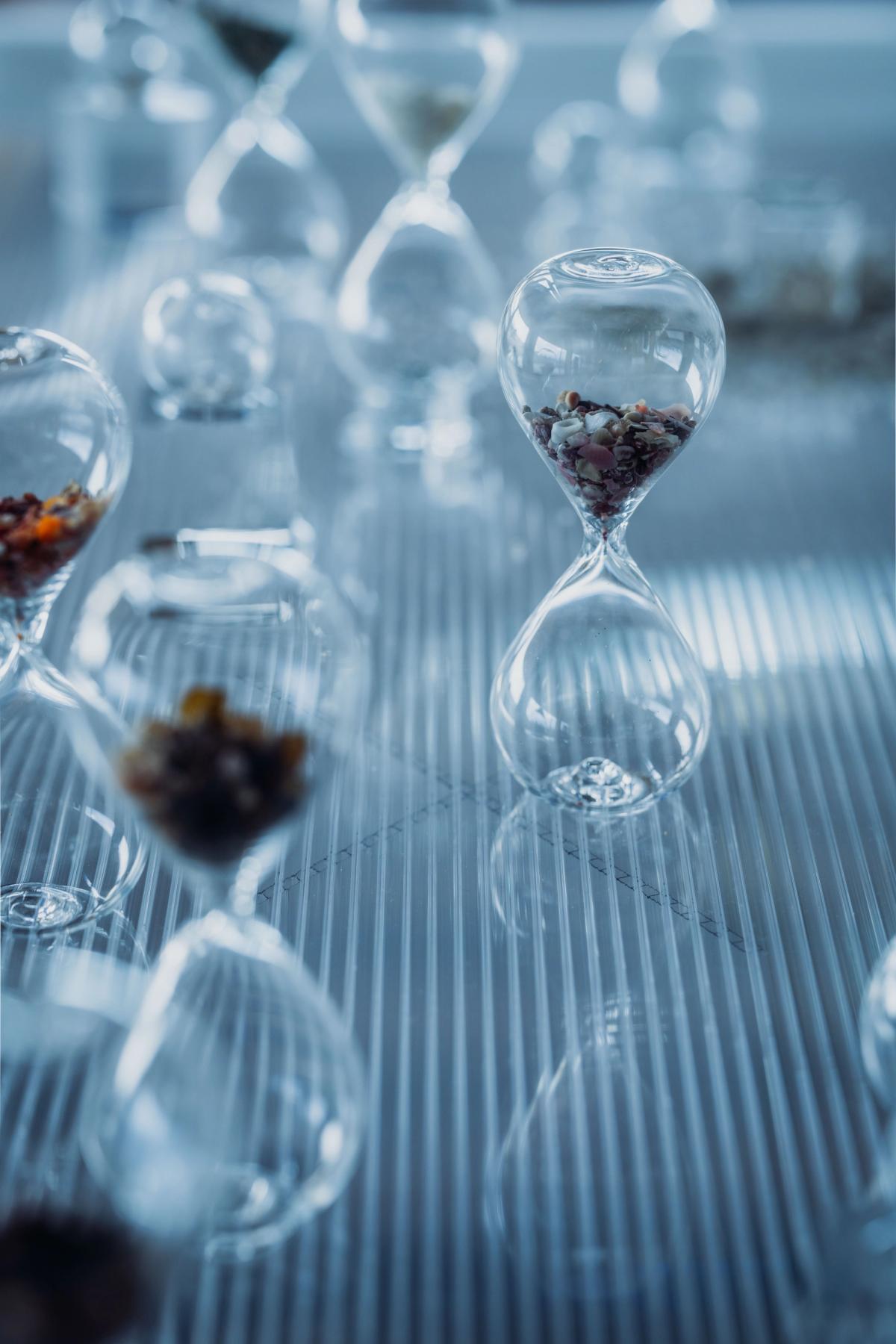
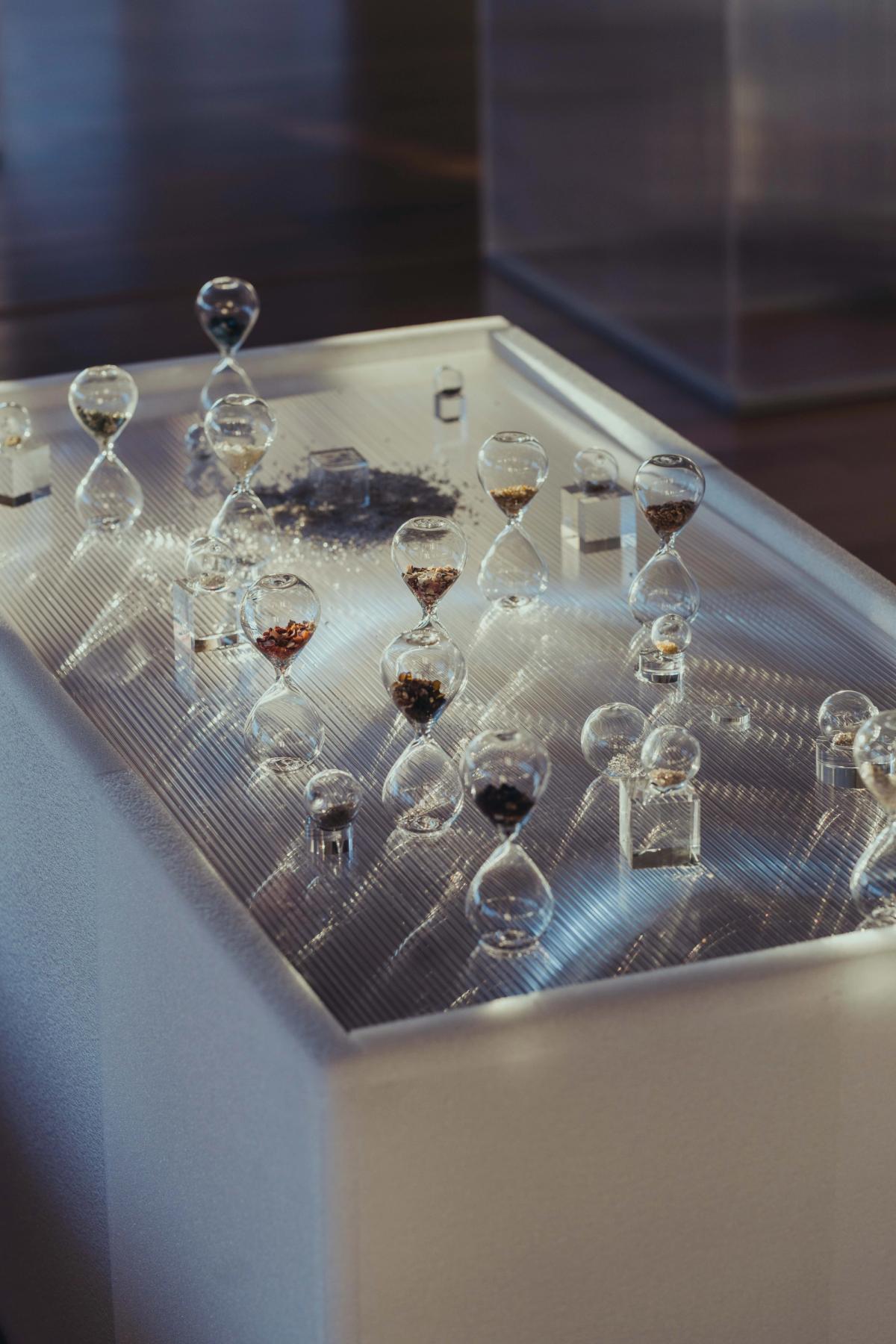
During the creation of this exhibition, they realized that the "new value" often demanded of revitalization efforts does not arrive from elsewhere; it is already present within the land itself. Using themselves as compasses, Kubota and Uozumi sought to savor the landscape and give form to even the most modest moments of joy that touched their hearts. These actions—somewhere between creation, daily life, and work—were akin to "unweaving" a hidden treasure box buried within the soil, one thread at a time.
It is said that the etymology of the Japanese word for "understanding" (wakaru) lies in "separating" (wakeru). However, their approach to understanding the land through their own bodies was not about "separating" or categorizing. Instead, it was an endeavor to understand by "unweaving"—accepting the state of things exactly as they are.
At first glance, these works may seem distant from typical terms like "reconstruction," "disaster prevention," or "mitigation." Yet, they are undoubtedly small, beautiful seeds for processing any event with human sensitivity. We hope that through these works, visitors will feel the inherent power that the land possesses.
Their base, Watari, is an area deeply affected by the Great East Japan Earthquake. To deepen their understanding of disaster and heritage, the duo conducted iterative research and production by traveling between Watari and Kobe, Hyogo Prefecture—the city where Uozumi himself experienced the Great Hanshin-Awaji Earthquake as a child. This exploration of two lands, each with distinct origins and varying timelines of recovery, led them to confront the very concepts of "region" and "community revitalization."
During the creation of this exhibition, they realized that the "new value" often demanded of revitalization efforts does not arrive from elsewhere; it is already present within the land itself. Using themselves as compasses, Kubota and Uozumi sought to savor the landscape and give form to even the most modest moments of joy that touched their hearts. These actions—somewhere between creation, daily life, and work—were akin to "unweaving" a hidden treasure box buried within the soil, one thread at a time.
It is said that the etymology of the Japanese word for "understanding" (wakaru) lies in "separating" (wakeru). However, their approach to understanding the land through their own bodies was not about "separating" or categorizing. Instead, it was an endeavor to understand by "unweaving"—accepting the state of things exactly as they are.
At first glance, these works may seem distant from typical terms like "reconstruction," "disaster prevention," or "mitigation." Yet, they are undoubtedly small, beautiful seeds for processing any event with human sensitivity. We hope that through these works, visitors will feel the inherent power that the land possesses.
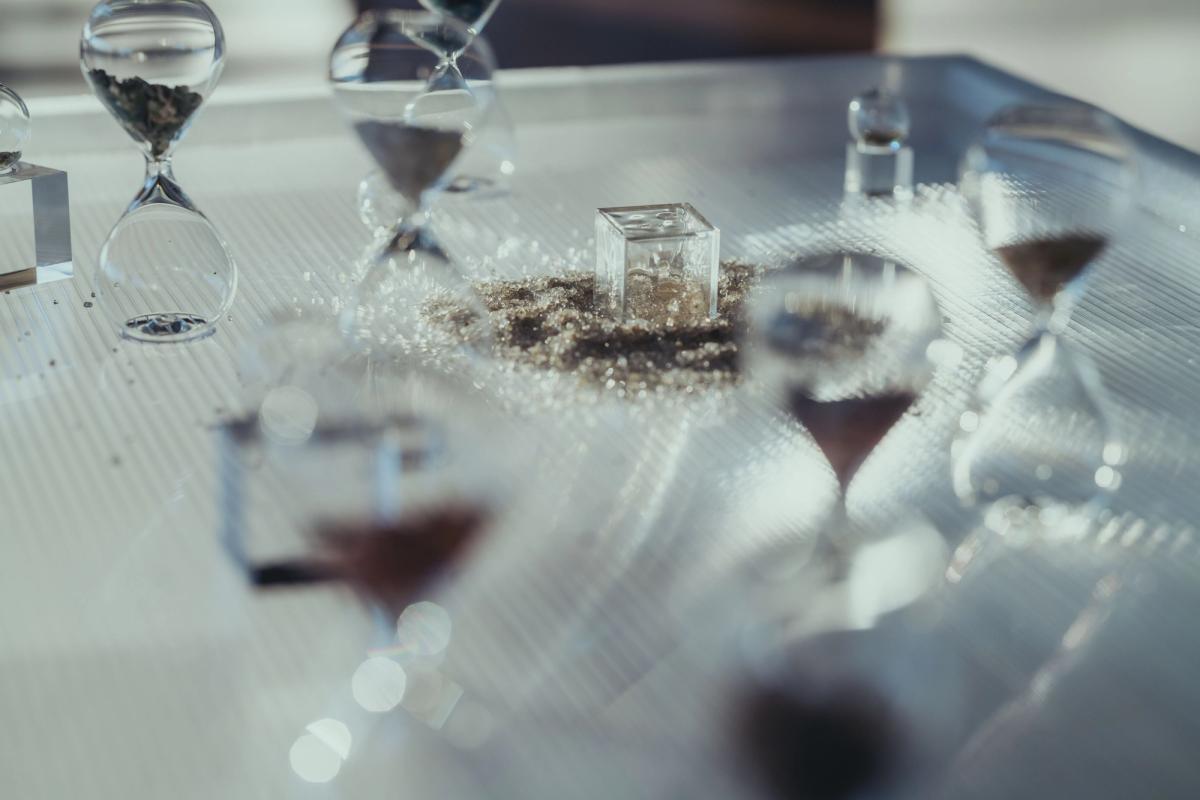
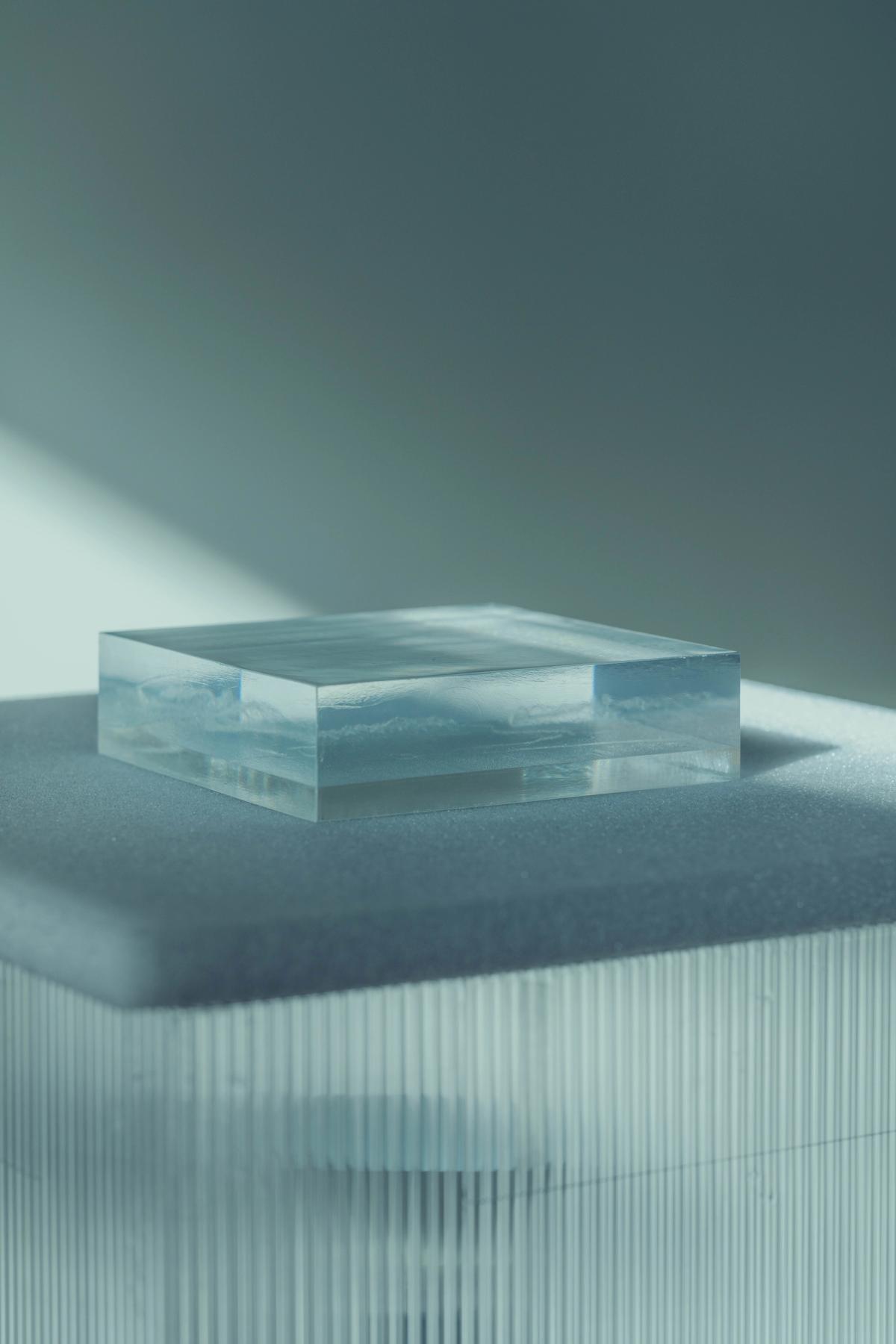
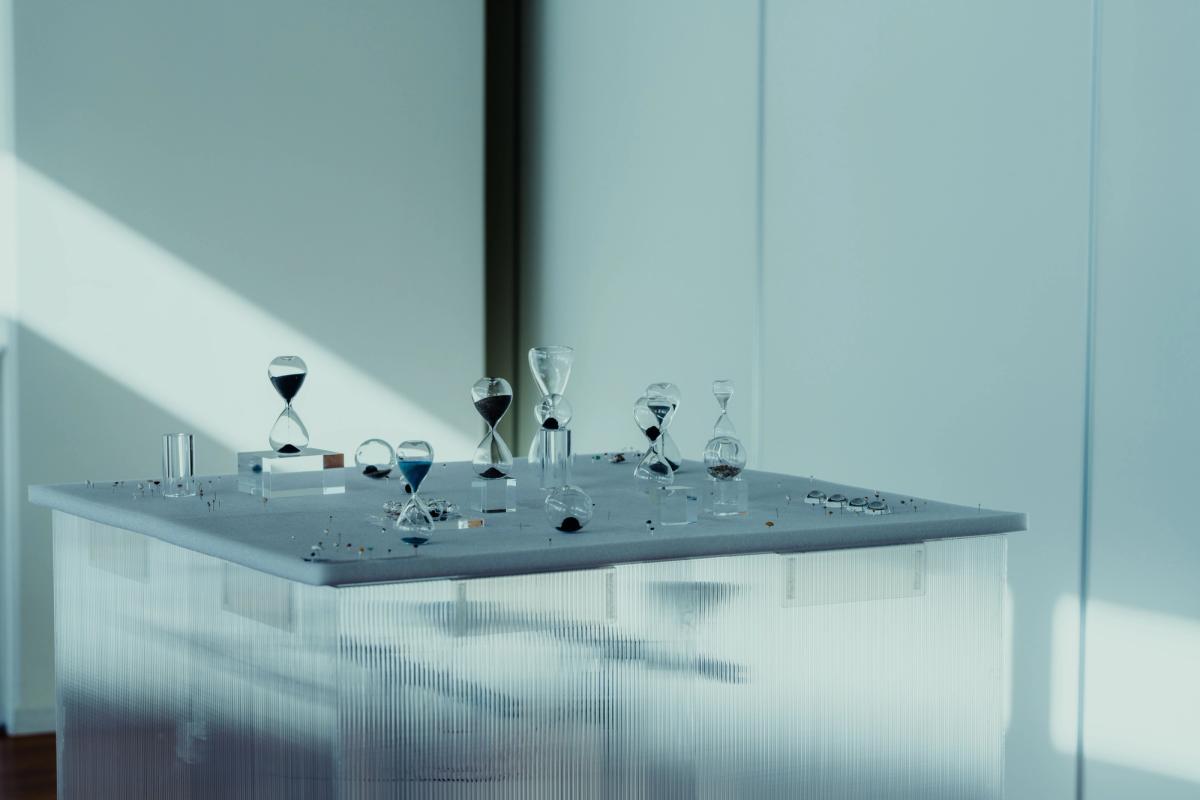
- Period
- 2025
- Work for
- 令和6年度宮城県亘理町地域おこし協力隊 活動集大成特別展示
- Location
- Miyagi, Japan
- Category
- Art Project
- Team
- Eiji Uozumi +Saya Kubota
- Space design
- Ryuta Mori
- Exhibition photo
- Junya Igarashi